
Plan an Entryway That Works for Your Family
Picture this familiar arrival: one person carries groceries, another looks for a key, and someone else needs to get past the shoes, so they kick them aside. The entryway may look welcoming in a photo and still make that ordinary moment awkward. Before buying another organizer or adding a storm door, walk through the entrance as your household actually uses it. The most useful change may begin with the door itself.
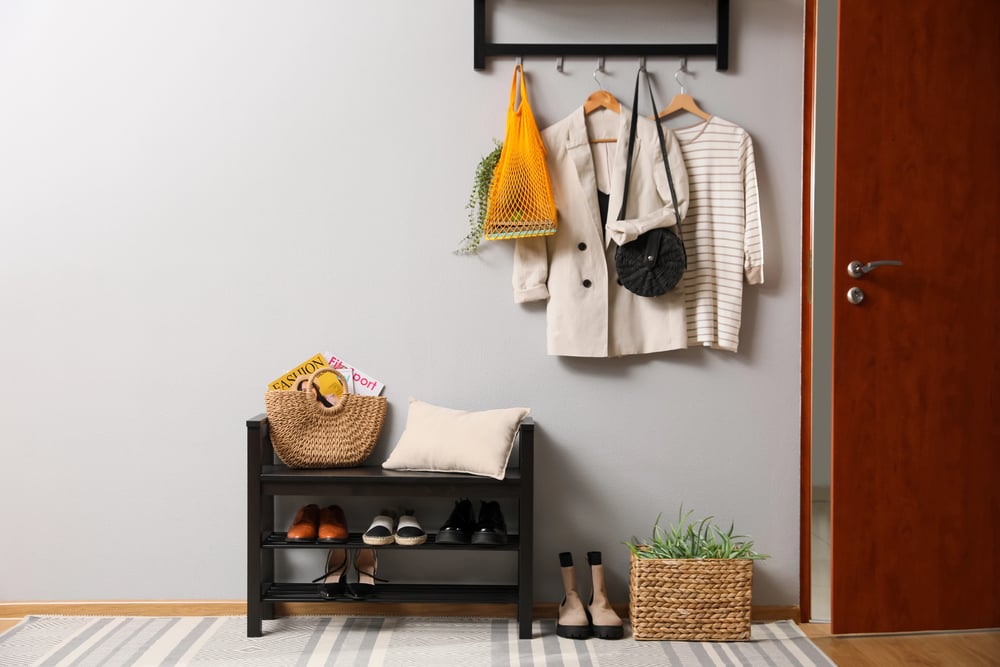
Start with the trip from outside to inside
Try the route with the kinds of things you usually carry. Notice where you stop to open the door, where the door swings, and where the first bag lands. A bench can be useful, but not if it occupies the space needed to enter. A thick mat can look inviting while getting in the way of a low door.
Watch for small workarounds that have become routine. Does someone hold the outer door because it will not stay under control? Must the main door be lifted to latch? Does the household avoid one entrance entirely? These details tell you more about the project than choosing a finish before anyone has checked the opening.
Make a short list of priorities in everyday terms: easier passage with bags, a clear closing path, or a usable screen option in suitable weather. Keep each goal separate from the product you think will achieve it. That leaves room to discover that an existing door needs repair before a new addition makes sense.
Check the existing opening before adding another door
A storm door adds an outer door in front of the main entrance. It also adds another handle, another swing, and another part to operate. Whether that works well depends on the opening, the products involved, the available space, and the way the household uses the entrance.
Have the condition of the frame and mounting surfaces assessed. Ask about clearance between handles, the direction of the swing, and compatibility with the main door. Review both manufacturers' instructions for the proposed combination. A style that looks right in a catalog is not automatically appropriate for every existing entry.
For an example, Chicago homeowners can seek help choosing and installing a storm door from Capahome after discussing the opening and their intended use. Readers in Texas or elsewhere can take those same questions to an appropriate local installer. The useful part of the example is the selection process, rather than an assumption that one provider or product suits every region.
If ventilation is part of the goal, ask how the particular model changes between its glass and screen arrangements and what everyday handling involves. Also ask what maintenance the chosen hardware needs. A feature only helps if the people using the entrance understand how it works.
Think about exposure as well as the calendar. A sheltered porch, direct afternoon sun, and a frequently wind-driven entrance present different questions for product compatibility and daily use. Discuss those actual conditions with the installer instead of treating a storm door as an automatic improvement in every climate.
Look beyond the new product to the parts already there
A sticking main door or a worn seal does not disappear behind a new outer door. Check the main door's normal operation before finalizing the project. If it catches, needs unusual pressure, or has visibly damaged material nearby, include that in the assessment rather than leaving it as a finishing detail.
Nearby windows may deserve attention too if the entrance includes a sidelight or another opening where the family notices a problem. In Chicago, Capahome provides window and door repair services that can be discussed as separate tasks during planning. A clear description of each opening helps keep a proposed storm door from becoming the assumed answer to unrelated issues.
Decide which work must happen before the new installation and which changes are simply preferences. Repairing an unsuitable mounting area, for example, belongs earlier in the conversation than choosing a new paint color for the trim. Agree on the sequence before supplies and furniture fill the entry.
Arrange storage around the door's full movement
Now place the shoe tray, hooks, or bench where they support the route you observed. Keep the swing and closing path clear. Leave a sensible place to set a bag without holding a door open with it, and check that a rug does not become an obstruction during normal use.
Try the route again before calling the project finished. The household should be able to use each door as intended, understand any new hardware, and reach the storage without crowding the opening. That ordinary arrival with groceries is a better measure of a practical entryway than how much new furniture or hardware it contains.