Aluminum Door Repair: What You Need to Know for Quality Fixes
Walk down any street and you will see aluminum doors greeting customers and securing businesses. They are also on most residential homes to keep garages and homes secure.
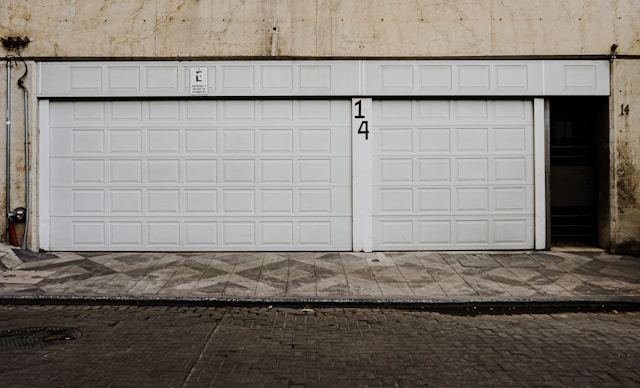
Their prevalence is no accident. Valued for an exceptional strength-to-weight ratio, natural resistance to rust and corrosion, and sometimes a modern aesthetic, these doors are a practical choice for high-traffic environments. They are built to withstand the daily rigors of constant use and fluctuating weather. Yet, despite this durability, no mechanical object is immune to wear. Over time, the very traffic they are designed to handle takes a toll on their sophisticated hardware.
Common points of failure include:
- Pivots and hinges are wearing down, causing the door to sag or drag.
- Door closers are losing hydraulic pressure, leading to slamming or not closing securely.
- Locks and latching mechanisms are falling out of alignment.
- Thresholds are becoming damaged or loose from constant foot traffic.
Understanding the signs of this wear is the first step toward ensuring a door remains safe, secure, and fully functional. A quality fix goes beyond a simple patch, addressing the root cause to restore the door's original integrity.
Identifying Common Aluminum Door Failures
The first sign of a problem with an aluminum door is often heard. The grating scrape of the door dragging across the floor is often a misalignment, typically caused by worn internal pivots, is a clear indicator of component failure.
These issues are more than minor annoyances, they are clear signals that a professional aluminum door repair is necessary to restore safety and function.
The Importance of Professional Diagnosis and Repair
When a door malfunctions, the temptation can be to attempt a seemingly simple fix. However, the mechanics of a commercial aluminum door are more complex than they appear.
A door that drags, for instance, is rarely solved by tightening a few screws. The issue typically lies within the concealed pivot hardware, which bears the full weight of the door and requires specialized knowledge to adjust or replace safely.
Attempting a DIY repair without the proper tools or understanding can exacerbate the problem, potentially damaging the door or its frame beyond an affordable fix. More importantly, it can create a significant safety liability. An improperly serviced door can fail and cause an accident. A professional technician brings diagnostic experience to identify the root cause, ensuring the correct parts are used. This expertise is often found in specialized door technicians, though sometimes a reputable windows repair company will also have the skillset to diagnose frame and seal issues common to both systems.
Key Components and Hardware Explained
Understanding the basic anatomy of your aluminum door can help you communicate effectively with a repair technician. Each part has a specific role and corresponding signs of wear that require careful diagnosis.
| Component | Primary Function | Factor to Analyze |
| Door Closer | Controls closing speed and force. | Analyze for signs of leaking hydraulic fluid or a loss of closing tension. |
| Pivots | Bear the door's entire weight at the top and bottom. | Analyze the door's alignment; sagging or dragging indicates wear. |
| Panic Bar / Exit Device | Ensures safe, one-push egress in an emergency. | Analyze its mechanical function to ensure it meets safety and legal compliance standards. |
| Threshold & Seals | Prevent water intrusion and air leaks. | Analyze the condition of the weatherstripping and the integrity of the threshold seal. |
The most prominent of these is often the door closer, the hydraulic arm that prevents slamming. Instead of traditional hinges, most commercial doors use top and bottom pivots, which are a primary point of wear. For public buildings, panic bars are crucial for safe egress, making their proper function a matter of legal compliance. Finally, the threshold and weather seals are essential for maintaining energy efficiency, playing a key role in the building's overall health.
Choosing a Qualified Repair Service
Selecting the right professional is the most critical step in ensuring a durable repair. When vetting potential companies, look for specialists with demonstrable experience in commercial aluminum doors, not just general handymen.
Check for positive online reviews and confirm they are properly licensed and insured to protect your property. Before committing, ask targeted questions: "Do you use OEM or high-quality commercial-grade replacement parts?" "What kind of warranty do you offer on your labor and the parts you install?"
For business owners in a large metro area, a quick search for commercial door repair Chicago might return dozens of providers. It is therefore essential to ask these questions to differentiate the true experts from the rest.
Finally, always request a detailed, itemized quote in writing before any work begins. This document should clearly outline the scope of the repair, the parts needed, and the total cost, ensuring there are no surprises and that both parties have a clear understanding of the job.
An aluminum door is a long-term asset, but its reliability is entirely dependent on the health of its moving parts. While the frame and panel are built for longevity, the closers, pivots, and locks that do the heavy lifting are subject to immense daily stress. Ignoring the early warning signs of wear-a slight drag, a slow latch, or a broken seal-inevitably leads to more significant failures, compromising building security, accessibility, and energy efficiency. The decision to invest in a professional repair is not merely about fixing a temporary inconvenience. It is a strategic choice to protect the integrity of your property and the safety of those who use it. A quality, expert repair restores the door's seamless function, ensures its compliance with safety standards, and ultimately preserves the value of your initial investment for years to come, confirming that the entrance to your building is as secure and reliable as it was designed to be.