Why Is My Monstera Growing Small Leaves? Light May Be the Problem
One of the most popular houseplants is the Monstera deliciosa and all of its different species and cultivars. The monstera is a statement plant that grows big and fast. Its climbing habit, broad leaves, and mature fenestrations can soften a room without disappearing in the background. Yet the plant sold in a six-inch nursery pot does not automatically become the tall, deeply divided specimen shown in interior photographs. Leaf size and fenestration develop through a combination of maturity, useful light, healthy roots, and support for climbing.
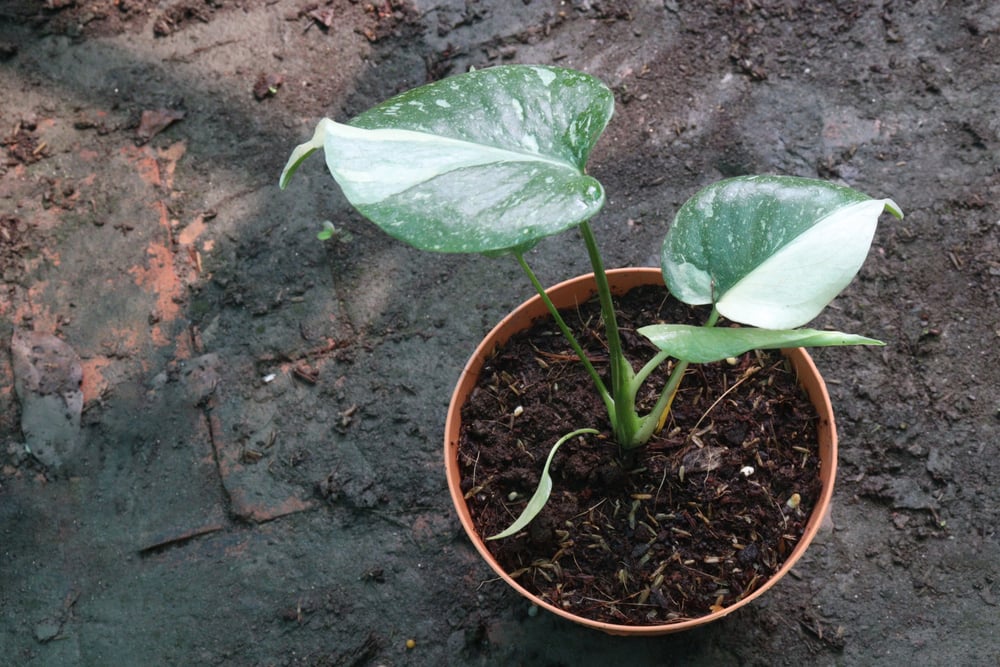
The aim is not to force holes into existing leaves. Once a leaf has unfurled, its basic shape will not change. Good care improves the size and structure of future growth.
Choose the location before choosing the pot
Place your Monstera near a bright window where it receives abundant filtered or indirect light. Be careful to not place it in the direct sunlight. Harsh, unacclimated direct sun can scorch foliage. On the flip side, a dark corner encourages slower growth and longer, weaker stems. Keep the plant away from heating vents, cold drafts, and frequently disturbed walkways.
A new plant may need one or two weeks to adjust to the room. During that period, hold conditions steady and watch how quickly the potting mix dries. Do not repot, fertilize heavily, or change the lighting unless the plant has an urgent root or pest problem. Staged changes make stress easier to interpret.
Give it enough light to make stronger new growth
Monsteras are understory vines, but 'tolerates medium light' does not mean 'thrives in a dim corner.' Brighter filtered light generally supports larger leaves and shorter spacing between them. Inadequate light can slow growth and reduce the development of mature leaf characteristics.
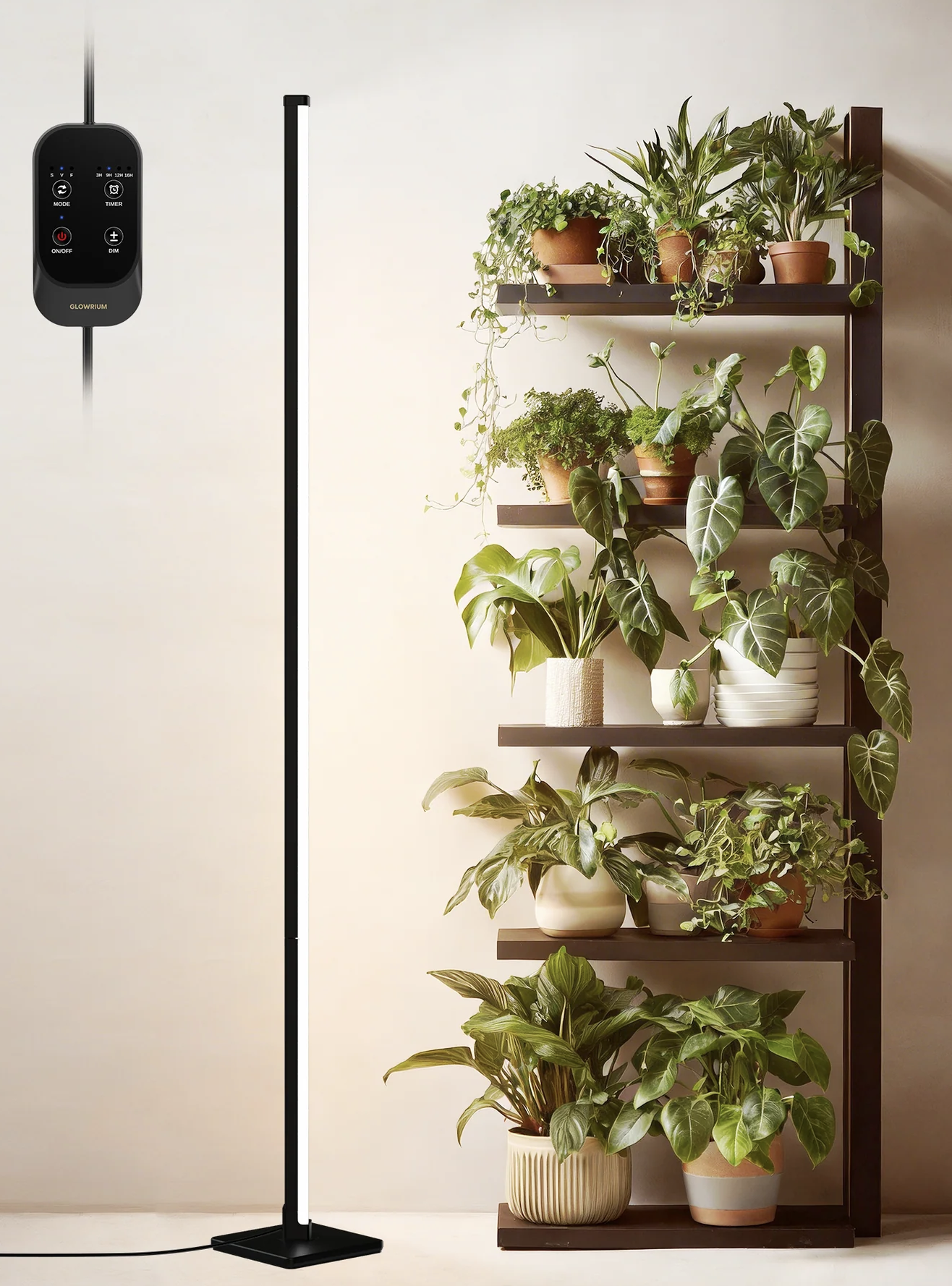
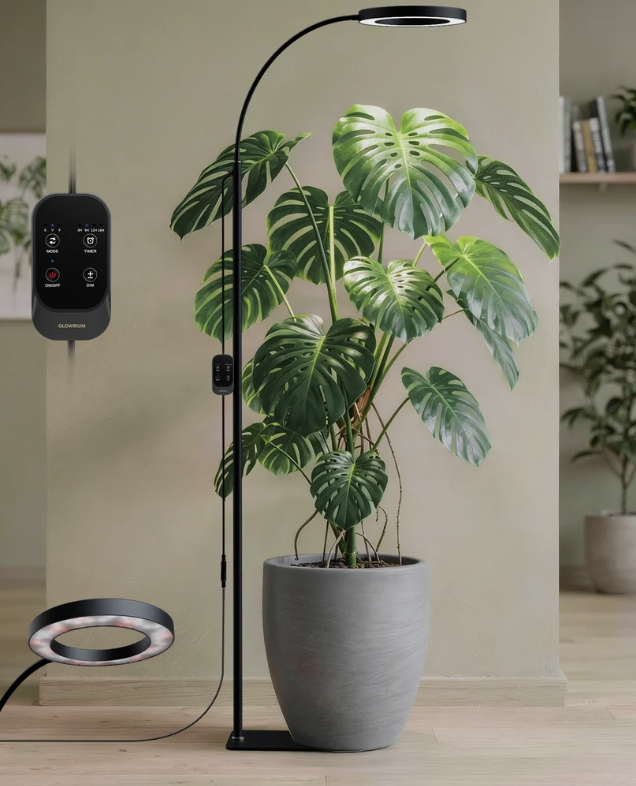
If window light changes sharply with the season, supplemental lighting can keep the routine consistent. Choose a balanced white, full-spectrum fixture with adjustable height, dimming, and a reliable timer. Position the light above and slightly in front of the foliage so it covers the growing point and the upper canopy rather than illuminating only one leaf.
For a tall plant, positioning flexibility matters as much as output. The adjustable floor and overhead formats in Glowrium's grow-light range illustrate the kinds of options that can cover a growing point and upper canopy without crowding the pot. Compare measured output at the intended height, and introduce stronger light gradually to avoid bleaching or scorch.
Water the root zone, not buy the calendar
Use an airy, well-drained potting mix with substantial organic material. Water thoroughly, allow excess water to drain, and wait until the upper portion of the mix has dried before watering again. The exact interval changes with pot size, root mass, temperature, season, and light. A reminder should prompt a moisture check, but it should not trigger automatic watering.
When yellowing appears with wet media or wilting, inspect the roots before adding fertilizer. Overwatering is a common cause of houseplant root problems, especially during cooler, darker periods. Remember, overwatering is not pouring too much water on the plant, but watering too often and/or without proper drainage. Monsteras do not like to have "wet feet," so never allow your plant to sit in water or water logged soil.
Increase the pot size gradually when repotting. A container that is much larger than the root system can remain wet for too long.
Support the plant's natural climbing habit
In nature, Monsteras climb by attaching aerial roots to trees. Indoors, a moss pole, coir pole, bark slab, sturdy trellis, or an unfinished wooden board can provide support. Install the support near the back of the main stem, where aerial roots emerge, and secure the stem with soft ties. Tie the stem or internode area, not the leaf stalk, and leave room for thickening.
Add the support during repotting when possible so you can place it securely without driving it blindly through a dense root ball. Guide aerial roots toward the support or into the potting mix. Do not force an established stem upright in one movement; make small adjustments over time.
Feed for steady growth, not a quick cosmetic fix
During active growth, use a balanced houseplant fertilizer at the label rate or begin with a diluted application if the plant is newly acquired. Reduce feeding when growth slows. Fertilizer cannot compensate for poor light or unhealthy roots, and excess salts can damage the root zone and leaf margins.
What actually influences fenestration?
Juvenile Monstera leaves are naturally smaller and usually never fenestrated. As the vine matures, future leaves can become larger, divided, and perforated. Light matters because it supplies the energy for stronger growth, but it is not the only variable. Plant maturity, genetics, root health, climbing support, and overall growing conditions all contribute.
Judge progress by a sequence of new leaves. Larger blades, thicker stems, tighter internodes, and increasing cuts or interior holes are better evidence than a single leaf. Old leaves will not add new fenestrations after lighting improves.
A quick troubleshooting guide for your Monstera
| Symptom | Check first | Practical next step |
| New leaves are smaller | light, root condition, recent relocation | Improve filtered light gradually and keep care stable. |
| Long stems and wide internodes | distance from window and/or grow light | Increase usable light and add climbing support. |
| Yellow leaves with wet media | drainage, root health, irrigation interval | Pause routine watering and inspect the root zone. |
| Brown, crispy patches | direct sun, lamp distance, salts, dry air | Identify the exposure pattern before changing care. |
| No fenestrations | plant maturity, light, support, new-leaf trend | Focus on healthy future growth rather than old leaves. |
Common questions
Can aerial roots of a monstera be trimmed?
An inconvenient aerial root can be shortened with a clean, sharp tool, but healthy aerial roots are useful for anchoring the vine. Guiding them toward a support or the potting mix usually serves the plant better than removing all of them.
How do I propagate a Monstera?
Take a stem cutting that includes at least one node. A leaf and petiole without a node cannot produce a new vine. Root the cutting in a suitable medium under warm, bright, indirect conditions, then move it into a well-drained potting mix after a healthy root system develops. I have found that rooting in damp moss and perlite works extremely well for propagating.
Does a leaf with fewer holes mean the plant is dying?
No. Fenestration is not a direct measure of survival. Evaluate root health, stem firmness, leaf color, pests, and the pattern of new growth. A healthy juvenile or recently stressed plant may produce solid leaves and still recover well.
Build the conditions for the next leaf
A mature-looking Monstera is the result of repeated good growing cycles. Provide filtered light, allow the root zone to breathe between waterings, give the vine something sturdy to climb, and adjust one variable at a time. The next leaf, not a promise about the old one, is where better care becomes visible.
About the contributor
The Glowrium Editorial Team covers indoor-plant lighting, practical care systems, and grow-space design for home gardeners.