How to Spot a Dangerous Tree Before It Becomes a Problem
Trees can make a yard feel cooler, greener, and more inviting. They also need care to remain safe for everyone as they grow and age. Storms, pests, decay, and damaged roots can weaken a tree over time.
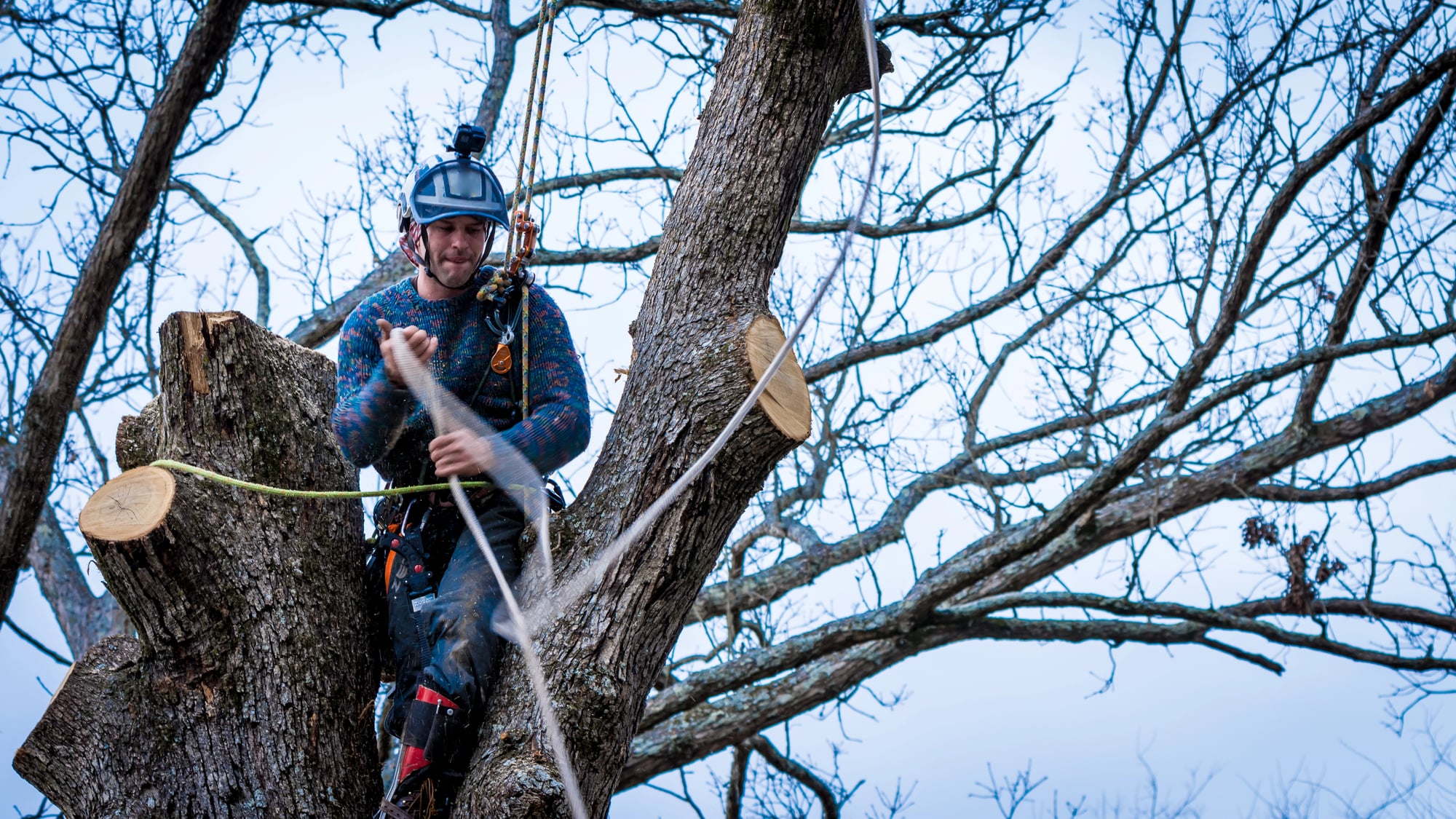
Some warning signs are easy to see if you know what to look for. When a tree poses an immediate risk to people or property, an emergency tree cutting service can assess the hazard and determine a safe way to handle it.
The good news is that homeowners can spot many signs of trouble during normal yard care. A quick look at your trees from time to time can help you notice changes early and decide when an expert should take a closer look.
Look for Dead or Hanging Branches
Dead branches are among the easiest warning signs to spot. They may have no leaves during the growing season, or their bark may look dry and loose. Smaller twigs can become brittle and snap with little force.
A dead branch can fall during strong wind or heavy rain. Large branches can cause serious damage if they hang over a roof, driveway, patio, or play area.
Hanging branches need extra care. A broken limb may stay caught in the canopy after a storm, which can make the tree look safer than it is. Avoid standing or working beneath a loose limb. Keep children and pets away from the area until a trained professional can inspect it.
Check the Trunk for Cracks and Damage
A healthy-looking canopy does not always mean the whole tree is sound. Take a look at the trunk when you work or relax in the yard.
Large cracks can be a sign of weakness. Pay close attention to splits that run deep into the trunk or appear where two large stems meet. A fresh crack after a storm deserves prompt attention, especially if the tree stands close to your home.
Cavities and areas of missing bark can also point to past damage or decay. These signs do not always mean a tree needs removal. A qualified tree professional can assess how much healthy wood remains and whether the tree can stay in place safely.
Pay Attention to Sudden Leaning
Many trees grow at a slight angle and remain stable for years. A change in that angle is more concerning.
A tree that starts leaning after heavy rain, strong wind, or a storm may have suffered root damage. You might also notice raised soil or cracked ground near the base. These changes can mean that part of the root system has shifted.
Do not try to push, pull, or straighten a large leaning tree yourself. Keep people away from the area and arrange an inspection, especially when the tree could reach a building, road, fence, or utility line if it falls.
Take a Closer Look at the Roots
Roots give a tree much of its support, yet most of them stay out of sight. That makes changes around the base of a tree worth watching.
Construction, digging, soil compaction, and changes to the yard can harm roots. Exposed roots with large wounds may also affect a tree's stability and health.
Watch for mushrooms or other fungal growth around the trunk and major roots. Fungi can grow for many reasons, so their presence alone does not prove that a tree is unsafe. Still, new fungal growth paired with dead branches, cavities, or a changing lean gives you a good reason to seek an expert assessment.
Watch for Changes in the Canopy
The upper part of a tree can offer useful clues about its health.
During the growing season, look for sections with fewer leaves than the rest of the canopy. Dead twigs, thinning foliage, or leaves that change color much earlier than expected can point to stress.
Tree stress can have many causes, including drought, root damage, pests, disease, and poor soil conditions. Spotting the cause early may give you more options for care.
Try looking at the tree from several points in the yard. Changes in the canopy are often easier to see from a distance.
Inspect Trees After Severe Weather
Strong wind and heavy rain can change a tree in a short time. Once the weather has passed and the area is safe, look at your trees from the ground.
Check for broken limbs, fresh cracks, leaning trunks, and changes around the roots. Stay well away from branches resting on buildings or utility lines.
Never climb a storm-damaged tree to inspect it. Damaged wood can move without warning, and branches under tension can shift when cut. Tree work near power lines also requires trained professionals and the right safety procedures.
Keep High-Use Areas in Mind
The location of a tree matters when you think about risk.
A damaged branch above a quiet corner of a large yard may create a different level of concern than the same branch above a driveway or patio. Pay close attention to trees near your house, children's play areas, sidewalks, parking spaces, and places where people spend time.
This simple habit can help you focus on problems that need attention sooner.
Make Tree Checks Part of Yard Care
You do not need to become a tree expert to notice when something changes. Add a quick visual check to your regular yard routine, and take another look after major storms.
Notice dead branches, cracks, new leaning, root movement, and changes in the canopy. If something looks unusual, avoid working beneath the affected area until you know it is safe.
Trees are valuable parts of a home landscape. With regular attention and timely professional care when needed, homeowners can support healthier trees while keeping their yards comfortable and safe.