
How Your Sleep Environment Shapes Restorative Sleep: A Science-Based Guide to a Better Bedroom
Restorative sleep depends on far more than the number of hours you spend in bed, it's shaped by the physical conditions you sleep in each night. Temperature, darkness, quiet, and the design of your bed all play a role in how deeply and continuously you sleep.
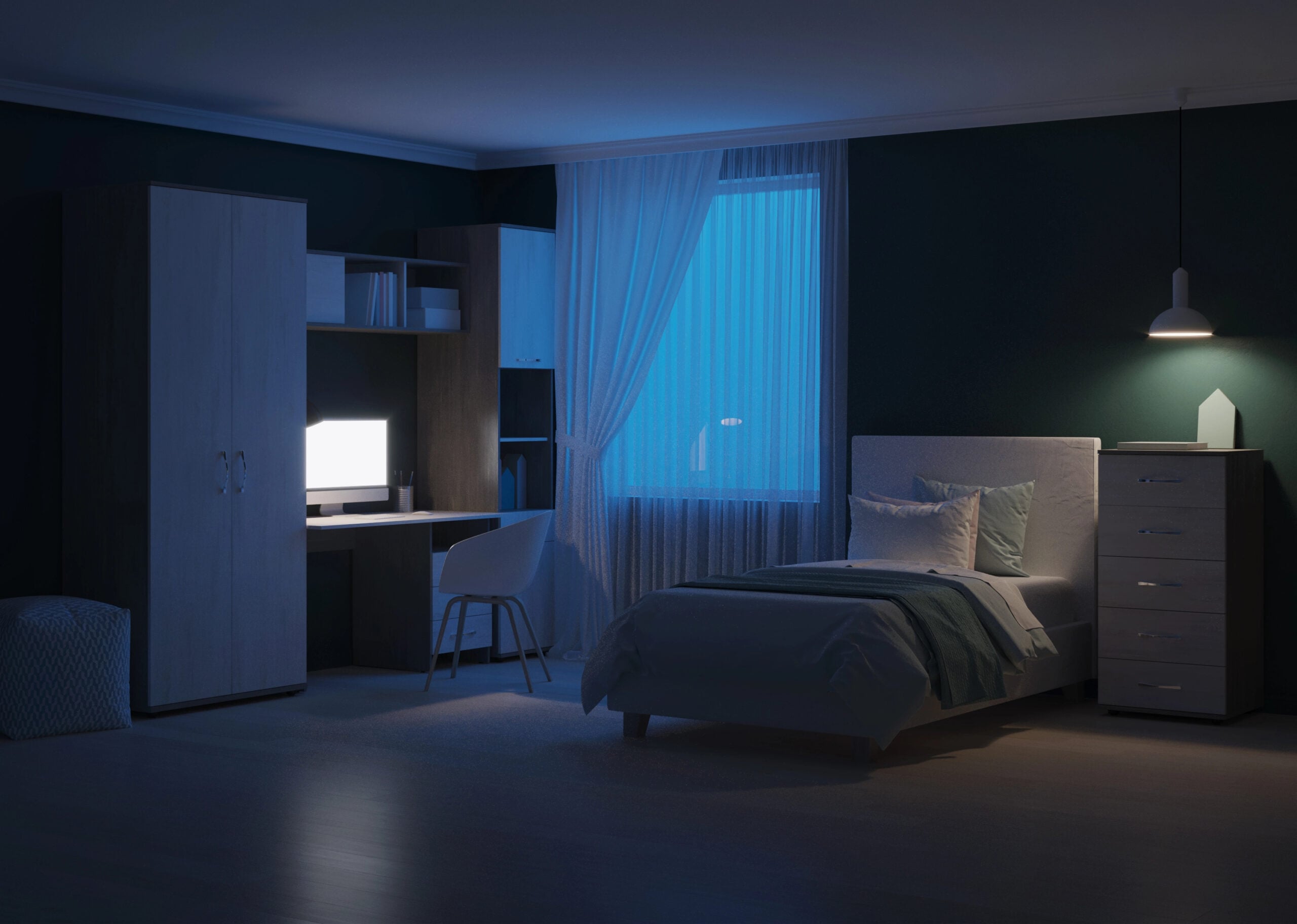
Many people focus on habits like limiting caffeine or screen time, yet they overlook physical factors such as mattress comfort, pillow support, and bedding materials that help regulate the "microclimate" close to the skin. Bedding choices span a wide spectrum, from basic sets to luxury bedding designed with breathability and comfort in mind.
Understanding the Sleep Environment: More Than Just a Comfortable Bed
The sleep environment encompasses ambient temperature, light, noise, air quality, humidity, and the bed setup itself. Research consistently links these factors to changes in sleep efficiency and fragmentation. Sleep efficiency refers to the percentage of time in bed actually spent asleep, while sleep fragmentation describes the frequent, often unnoticed awakenings that disrupt sleep continuity. Your sleep environment is a modifiable factor in sleep quality, which means small, deliberate adjustments can add up to meaningful improvements over time.
Temperature and Thermal Comfort: Keeping Your Body in Its Sleep-Friendly Zone
The body naturally lowers its core temperature to initiate and maintain sleep, which makes thermal comfort one of the strongest predictors of how well you rest. Ambient temperatures that fall outside a moderate range, excessive heat in particular, are associated with disrupted sleep. Beyond room temperature, though, there's the bed climate to consider: the microclimate that forms between your body and your bedding. Heavy, heat-trapping materials can leave sleepers overheated, while thin covers may leave others chilled, and both scenarios tend to produce restless micro-arousals throughout the night.
Practical adjustments include:
- Choosing breathable bedding layers appropriate to the season
- Using fans, thermostats, or ventilation to keep the room cool
- Accounting for personal factors, such as age or a natural tendency to sleep hot or cold
Experimentation matters more here than chasing some universal "ideal" temperature. What works for one sleeper may not work for another.
Light, Noise, and Air Quality: Hidden Disruptors in the Bedroom
Light
Nighttime light exposure, particularly blue-enriched light, can suppress melatonin and interfere with sleep continuity. Blackout curtains, dimmed lighting, and cutting back on screen use before bed can all help counter this.
Noise
Nighttime noise contributes to awakenings and fragmented sleep, even when you don't fully wake up or notice it happening. Earplugs, white noise machines, and sealing gaps around windows are practical countermeasures worth trying.
Air Quality and Humidity
Elevated indoor pollutants and humidity levels that skew too high or too low are linked to reduced sleep efficiency. Proper ventilation, humidity control, and regular cleaning go a long way toward supporting easier breathing and more stable sleep.
Mattress, Pillows, and Bedding: Building a Supportive Sleep Surface
The sleep surface, your mattress, pillows, and bedding, directly affects comfort and how much you move during the night. A mattress that doesn't offer adequate support can create pressure points, prompting frequent shifts in position. Pillows, meanwhile, should keep the neck in a neutral position that suits individual preference. Bedding materials also shape the sleep microclimate: breathable, moisture-wicking fabrics help manage heat and moisture near the skin, while heat-trapping fabrics can increase sweating and disrupt otherwise restful sleep.
Practical Steps to Optimize Your Bedroom for Better Sleep
A simple checklist can help translate research into action:
- Keep the bedroom cool and comfortable, adjusting bedding as needed
- Minimize light exposure at night
- Reduce noise through masking or physical barriers
- Maintain good air quality and humidity
- Regularly reassess mattress, pillow, and bedding comfort
Because needs vary by age, health, and personal preference, incremental changes, tracked through something as simple as a sleep diary, tend to work better than drastic overhauls.
Bringing It All Together: Creating a Bedroom That Supports Long-Term Health
A thoughtfully designed sleep environment, one that accounts for temperature, light, noise, air quality, and the sleep surface itself, can meaningfully support deeper, more continuous rest. This is a long-term, evergreen strategy, not tied to any passing trend. Start with one or two manageable changes, then refine further based on what you notice along the way. Small changes in your sleep environment can help your body do what it's designed to do: rest and recover. For persistent sleep difficulties, consulting a healthcare professional remains the appropriate next step.