How to Make Your Yard Edges Look Designer-Clean Without Overcomplicating It
A polished yard can change the whole feel of your home, especially when you care about curb appeal as much as you care about what happens inside. Clean borders around walkways, flower beds, and patios make outdoor spaces feel finished instead of forgotten. If you're already paying attention to home style, edging your lawn is one of those small upgrades that quietly does a lot of heavy lifting.
Why Lawn Edging Makes Your Home Look More Put Together
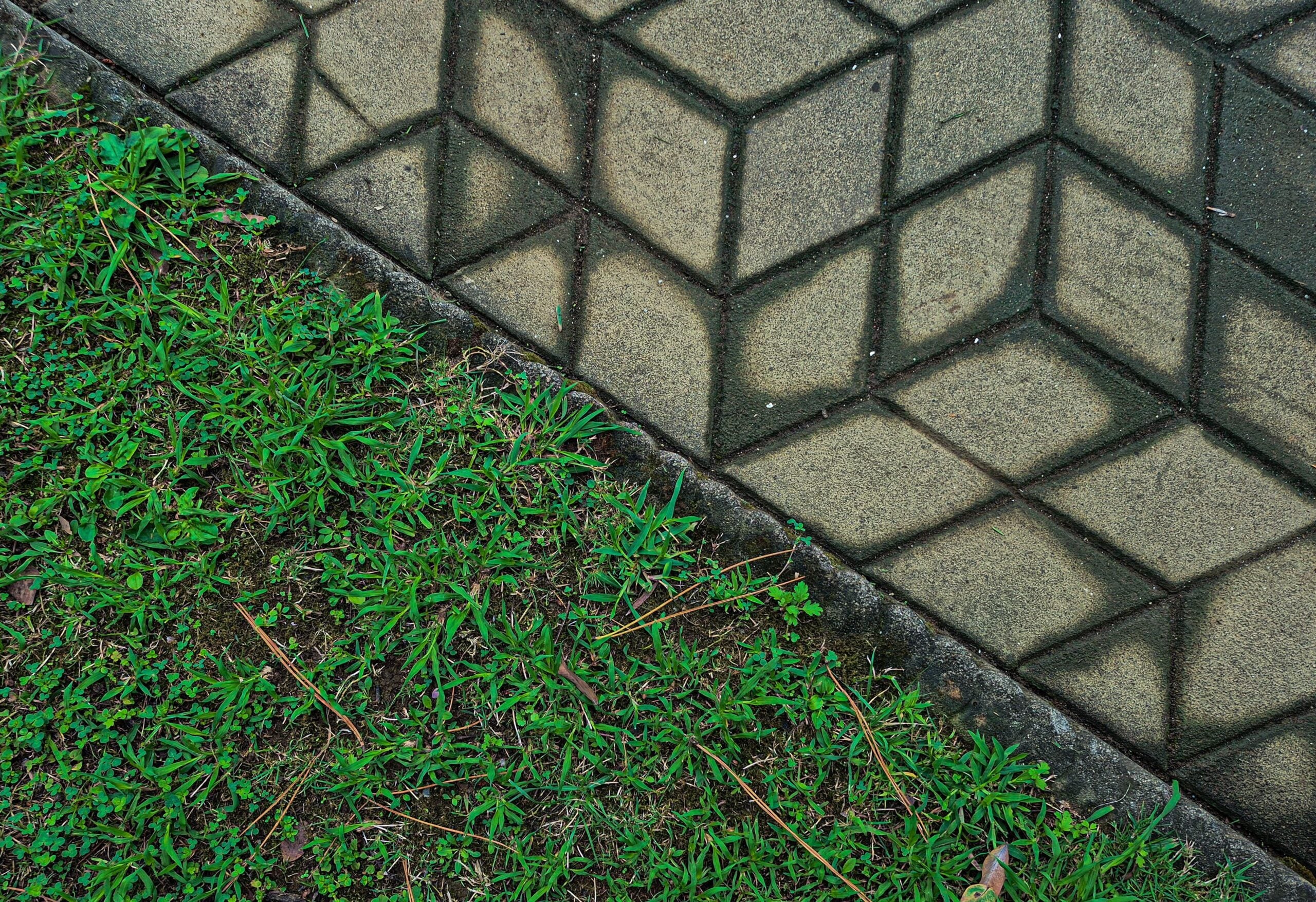
You can have healthy grass, nice planters, and a neat porch, but if the edges are messy, the whole yard can look slightly off. Sharp lines create visual order. They frame your landscaping the same way trim frames a room indoors.
Edging also helps separate grass from mulch, gravel, and garden beds. That means less creeping, fewer stray blades in places they shouldn't be, and a yard that looks intentional. It's a detail people notice even if they don't realize they're noticing it.
If you like decorating your home with a clean, curated look, your outdoor space benefits from the same mindset. Crisp borders make modern homes look sleeker, cottage gardens look more charming, and simple suburban lawns look much more cared for.
Choosing the Right Tool for the Job
You don't need commercial-grade equipment for a normal residential yard, but you do need a tool that matches your space and your comfort level. Manual edgers work for very small jobs, though they can be tiring fast. String trimmers can fake an edge, but the results often look less precise.
For a cleaner finish, many homeowners compare battery and gas lawn edgers based on yard size, power needs, and how often they plan to maintain borders. Battery models are usually lighter, quieter, and easier to start. Gas options often suit bigger properties or tougher overgrowth.
Think practically before you buy. If you have a compact yard and close neighbors, quieter equipment may feel like a smart move. If your lawn has long driveway runs and thick grass buildup, more muscle may save you time and frustration.
Battery vs. Gas: What Fits Your Routine Best
The better option depends less on hype and more on how you actually maintain your yard. Battery edgers are great if you want lower maintenance. No fuel mixing, fewer engine issues, and usually a push-button start. That's appealing when you just want to step outside, clean up the borders, and move on with your day.
Gas edgers tend to offer longer run time and stronger performance in dense growth. If you've skipped edging for months and your lawn edges have gone feral, gas power can be helpful. They're often preferred by people with larger lots or more demanding landscaping.
Here's the quick reality check:
- Battery: easier startup, quieter operation, lighter feel
- Gas: more power, longer use time, stronger for heavy buildup
- Battery: ideal for routine touch-ups
- Gas: useful for bigger or rougher jobs
Your best tool is the one you'll actually use consistently.
The Areas You Should Edge First for the Biggest Visual Impact
If you don't want to edge every inch of your yard right away, start with the spots that stand out the most. Focus on places where hard surfaces meet grass. These edges are easy to see, and they instantly affect how tidy your property looks.
Start with:
- Sidewalks and front walkways
- Driveway borders
- Patios and paver paths
- Flower bed outlines
- Mailbox areas
- Tree rings with mulch around the base
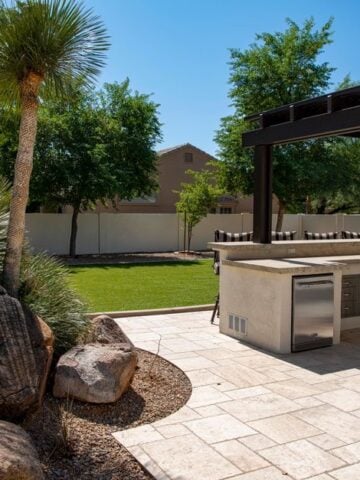
Your front yard usually gives you the biggest return on effort. A neatly edged walkway can make even a basic entry look sharper. Backyard edging matters too, especially around entertaining areas. If you've styled a patio with planters, lights, or outdoor seating, uneven grass lines can undercut the whole setup. It's the landscaping equivalent of wrinkled curtains in an otherwise pretty room.
How to Edge Without Making the Yard Look Choppy
Good edging isn't about racing through the job. It's about steady control and clean movement. Mark the line visually before you start, especially around curved beds. If the border shape is awkward, the finished result will look awkward too.
Keep the blade vertical and move at a controlled pace. Let the tool do the cutting instead of forcing it. Pushing too hard can create uneven trenches, jagged lines, or torn grass. That rough, hacked-up look is not the vibe.
A few practical habits help a lot:
- Edge when the soil is slightly soft, not soaked
- Clear sticks and rocks first
- Wear eye protection and closed-toe shoes
- Make one deliberate pass before deciding if you need a second
- Sweep or blow away debris after finishing
Cleanup matters. Freshly edged lines covered in clippings won't read as clean until the surface is cleared.
Common Mistakes That Make Edging Look Worse, Not Better
One of the biggest mistakes is cutting too deep. You want definition, not a mini moat around your flower bed. Deep trenches can dry out edges, make mowing harder, and look overly harsh in softer landscape designs.
Another issue is inconsistency. If one section is razor-sharp and the next section wanders around like it lost the plot, the yard looks unfinished. Try to keep spacing and depth as even as possible.
Watch out for these common problems:
- Edging only once a season and letting lines disappear
- Using the wrong tool for thick overgrowth
- Ignoring curves and corners
- Leaving loose soil piled on the hardscape
- Damaging sprinkler heads, low lighting, or hidden borders
Before starting, walk the area and check for irrigation lines, cables, and landscape fixtures. A five-minute inspection can prevent an expensive mistake and a deeply annoying afternoon.
How Edging Supports a More Stylish Outdoor Design
Edging is functional, but it also plays a design role. It gives your yard structure. That structure helps decorative details stand out more clearly, from stone paths to layered planting beds to a carefully styled front porch.
When your borders are clean, materials look more distinct. Mulch appears richer, pavers look straighter, and flower beds feel more intentional. Even simple landscaping starts to look more elevated. If your home style leans cozy, modern, rustic, or classic, neat lawn lines help everything read more clearly.
This matters especially if you photograph your home exterior, host gatherings, or enjoy seasonal decorating. Pumpkins on the porch, string lights near a path, or container gardens by the entry all look better when the lawn isn't visually spilling into every boundary. Good edging works quietly in the background, which is usually where the best design choices live.
A Simple Maintenance Plan You Can Actually Stick To
You don't need to edge constantly. You just need a rhythm that prevents overgrowth from taking over. For most homes, edging every few weeks during the active growing season keeps lines visible and manageable.
A simple plan might look like this:
- Early spring: define all major borders
- Late spring through summer: touch up every 2 to 4 weeks
- Early fall: refresh high-visibility areas
- Before hosting or listing your home: do a full cleanup edge
Pair edging with mowing day so it becomes part of a normal routine instead of a separate big chore. If your lawn grows aggressively after rain, expect to touch up sooner.
Clean borders won't solve every landscaping problem, but they do make your yard look smarter, more finished, and more connected to the style of your home. Sometimes the difference between average and polished is just a better line.