Planning Long-Term Care for a Residential Swimming Pool
A pool at home is rarely one big decision. It is a long series of small ones, made across seasons, that quietly determine whether the water stays inviting or slowly becomes a burden. Families who still enjoy their pool a decade in are usually the ones who treated it as a system with a lifespan instead of a fixture that simply exists in the yard. That shift in thinking costs nothing and changes almost everything about how the pool behaves over the years.
Getting the Setup Right From the Beginning
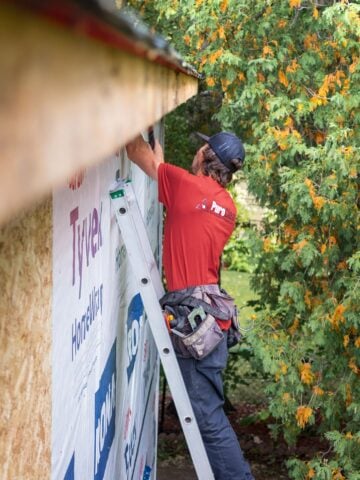
Behind clear water sits a group of components that move, filter, treat, and sometimes warm the water on a continuous loop. Installation is where most long-term trouble begins, because a component that is undersized, poorly plumbed, or set somewhere water can reach it will never perform as designed no matter how carefully it is maintained afterward. Installation done badly shows up months later as cloudy water, longer run times, rising power bills, and warranty claims that get denied on inspection.
Correct sizing, correct plumbing, and skilled hands at the outset are what keep the loop balanced for years. For the best pool equipment installation, hire professionals who work to manufacturer guidelines and hold the proper state license.
Water Chemistry Is the Real Ongoing Job
Everything else in pool ownership sits downstream of water balance. Water that drifts too far in either direction stops being neutral and starts acting on whatever it touches. On one side, it pulls minerals out of plaster and corrodes metal fittings. On the other, it leaves chalky deposits across surfaces and inside plumbing lines, slowly narrowing the paths water needs to travel freely.
The practical answer is frequency rather than complexity. Two quick tests a week during heavy summer use and one a week in cooler months will catch drift long before it becomes damage. Small corrections beat large ones every time, because a modest adjustment settles quickly while a big one tends to overshoot and demand a second correction. Owners who jot down their readings often spot patterns they would otherwise miss, like a shift that follows heavy rain or a stretch of unusual heat.
Circulation, Run Times, and Energy Use
Still water goes bad. Debris settles into the corners, algae finds the shaded spots, and sanitizer never reaches the places that need it most. Aiming the return jets so the entire surface rotates gently is a five-minute adjustment that does more for clarity than most products sold for the purpose.
How long the system runs each day deserves the same scrutiny. The old advice of a fixed number of hours ignores pool volume, bather load, weather, and how efficiently the system actually moves water. A better approach is to run it long enough to turn the full volume over, then adjust with the seasons. Longer through summer, when heat and swimming both peak. Shorter through winter, when demand drops off sharply. Owners who test this carefully and watch their water usually find a setting that holds clarity while noticeably trimming energy costs.
Surfaces, Decking, and the Space Around the Water
The pool shell has a long but finite life. Plaster, aggregate, and tile all age at different rates, and each one responds to water chemistry in its own way. Routine brushing protects these surfaces better than anything sold on a shelf, because it lifts the fine film that scale and algae need to take hold. Ten minutes with a brush each week is one of the cheapest forms of long-term protection available.
The deck around the water matters just as much. Cracked or uneven surfaces create trip hazards and let water reach places it should not. Drainage that carries runoff away from the pool keeps dirt and lawn treatments from washing in after storms. Landscaping plays a role too, since trees that shed heavily nearby will keep skimmer baskets full and force the filter to work harder than it should.
Seasonal Planning and Honest Budgeting
Pool ownership follows a rhythm once you learn to see it. Spring brings opening, chemistry correction, and a thorough look at everything. Summer is peak use and the heaviest chemical demand of the year. Fall brings falling debris and a good window for larger projects, since the pool sits idle more often. Cooler months are the time for slower maintenance and an honest assessment of what needs attention before the next busy stretch arrives.
Budgeting works best when it follows that same rhythm. Chemicals and routine service are predictable monthly costs. Larger items are not monthly, but they are foreseeable. Components have expected service lives, surfaces have refinishing intervals, and decking needs periodic attention. Owners who set aside a modest amount each month toward those longer cycles avoid the situation where a necessary project has to wait, which almost always makes it more expensive when it finally happens.
Keeping Records That Actually Earn Their Keep
The most useful thing a pool owner can maintain, aside from the water itself, is a written history. Service dates, chemistry readings, model information, warranty paperwork, and notes on anything that seemed unusual. This costs nothing and pays for itself the first time a technician asks how long something has behaved a certain way.
Records also make ownership transferable. If the property changes hands, or if a different service company takes over, a clear history removes guesswork. Problems get diagnosed faster, warranty claims move more smoothly, and choices about repair versus replacement rest on actual service life rather than a rough guess.
Safety Built Into the Routine
Long-term planning includes the parts of pool ownership that have nothing to do with water clarity. Barriers, gates, and latches need periodic checking, since hardware loosens over time and a gate that no longer closes on its own is no barrier at all. Drain covers should be inspected for wear. Lighting around the water and along walking paths reduces risk during evening use, and it makes the space more usable after dark.
Household rules matter too, and they work best when they are consistent rather than occasional. Clear expectations about supervision, glass near the water, and behavior on the deck become second nature when everyone follows them the same way. A pool that is cared for with this kind of steady attention stays what it was meant to be, which is the best part of the property rather than the most demanding one.