After a Kitchen Fire: What to Do in the First 24 Hours
Thanksgiving is the peak day of the year for home cooking fires in the U.S. The National Fire Protection Association counts more than three times the daily average on that one day. It can happen fast. A pan of oil flares up while the kitchen is full of people, the smoke alarm goes off, and suddenly the whole house smells like smoke.
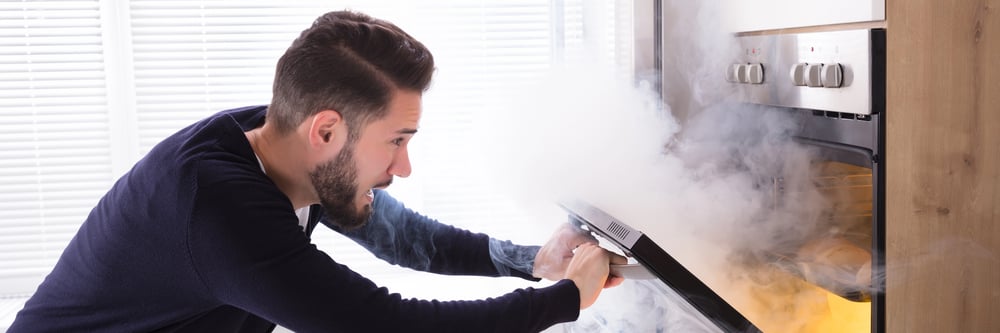
Once the fire is out, the big question is what to do after a kitchen fire, when nobody's sure what's safe to touch. Here are the steps for the first 24 hours, in the order they matter.
First, stay out until you get the all-clear
Even after the flames are out, the house can still be risky to walk into. If the fire department came out, don't go back into the kitchen, or the house, until they tell you it's safe. Floors and walls may not be as safe as they look. If you put a small fire out yourself and have any doubt that it's completely out, call the fire department anyway.
The fire department also checks your gas, electricity and water before it leaves. If any of them aren't safe, firefighters will have them turned off. Don't switch them back on yourself.
The soot and dirty water a fire leaves behind can contain things that could make someone sick, so be very careful if you touch anything the fire damaged, and keep little hands away from it. Scared pets may bite or scratch, so handle them gently. If you can, let a friend, a relative or your vet keep them until the cleanup is done.
What to do after a kitchen fire: make three calls
Make these three calls before you start cleaning (the U.S. Fire Administration's After the Fire guide has the full checklist):
- Your insurance company. Call right away and ask what they want you to do first. Ask what you should do to keep the house safe until the damage is fixed, and who you should talk to about the cleanup.
- Your landlord or mortgage lender. Let them know about the fire as soon as you can.
- Family, friends or a relief group. If the house isn't livable tonight, a local disaster relief service such as the American Red Cross or the Salvation Army can help you find food, clothing, medicine and a place to stay. No insurance? Community groups, religious organizations and public agencies may be able to help, too.
If you'll be staying somewhere else, call the local police department and let them know the house will be empty.
While you have a pen out, write down the date and time of the fire, the fire department's name and the incident report number. Keep them with your insurance policy number so everything is in one place when the calls start.
Take pictures before you clean anything
It's tempting to start scrubbing right away. Take photos and video first: the stove, the cabinets, the ceiling, the floor, and anything else smoke or water got onto. Your insurance company can tell you what else they need, but pictures taken before the cleanup can't be retaken after it.
Then start a folder, paper or on your phone, for receipts. Save every receipt for money you spend because of the fire, from a night at a hotel to the takeout you ordered because the stove is off limits. Your insurance company may need them later, and they help prove any fire losses you claim on your taxes.
Yes, the food has to go (even the pies)
This one hurts, especially on a holiday. The USDA's food safety advice is to throw away food that has been near a fire. Heat, smoke fumes and the chemicals used to fight a fire can all make food unsafe, and those chemicals can't be washed off. That includes:
- Fruit, vegetables and other food stored outside the refrigerator.
- Food in cardboard boxes, plastic wrap or other packaging that fumes can get through.
- Canned, bottled and jarred food that was close to the fire, even if it looks fine. Heat can damage the containers and activate spoilage bacteria.
- Food in the refrigerator and freezer. The door seal isn't airtight, so fumes can get inside.
Yes, that may mean the turkey. Order the pie this year.
Smoke and soot: why the mess goes past the stove
The burn mark on the stove can be the easy part. Things the fire never touched can still be ruined by smoke, or soaked by the water used to put it out. Smoke doesn't stay in one room, so look at the cabinets, the ceiling, the curtains in the next room and the vents. Anything you want to save or reuse will need careful cleaning.
There are companies that specialize in cleaning and restoring personal items after a fire. Ask your insurance company to recommend ones you can trust, find out whether you or your insurer will pay for the cleaning, and get a cost estimate in writing.
The house needs the same attention as your belongings. If you live near Austin, for example, Watchtower Water & Fire in Round Rock handles soot cleanup, smoke odor removal and fire debris removal.
Look after the people, including the cook
A fire is scary for kids, too. Tell them what happened in simple words, and give yourself a break on the rest of the holiday plans: move dinner to a relative's house, or keep it small this year. The cleanup is a big job, so rest when you can and let people help.
Before the turkey goes in: how to stop the next one
Most of this comes down to a few habits on the big cooking days:
- Stay in the kitchen while anything is cooking on the stovetop. Unattended cooking is by far the leading factor in cooking fires.
- Keep a lid beside the pan. If a small grease fire starts, slide the lid over the pan and turn off the burner. Leave the lid on, because the fire could start again, and let the pan cool for a long time.
- For an oven fire, turn off the heat and keep the door closed. Open it only once you're sure the fire is completely out, and stand to the side when you do. If you have any doubt, call the fire department.
- Keep kids and pets at least three feet away from the stove and from anywhere hot food or drinks are being made or carried.
- Test your smoke alarms with the test button before the guests arrive.
- Skip the oil turkey fryer. These fryers use a large amount of oil at high temperatures, which can cause serious burns. Buy a fried turkey from a store or restaurant, or use a fryer that doesn't use oil.
The bottom line
After a kitchen fire, the order is safety, phone calls, pictures, then cleanup. Smoke can reach things the flames never touched, so get help with that part instead of tackling it alone.