How Concrete Pavers Can Enhance Your Home’s Curb Appeal While Adding Functionality
Your outdoor space does a lot of visual heavy lifting. It frames your home, sets the mood for guests, and quietly affects how usable your yard feels day to day. Concrete pavers have become a go-to option because they balance style, durability, and design flexibility without the fussy upkeep of some other materials. If you want a patio, walkway, or driveway that looks polished and actually holds up, you're in the right place.
Why Concrete Pavers Work So Well in Real Homes
Concrete pavers fit into home design in a surprisingly flexible way. You can use them for patios, front paths, pool decks, courtyards, and driveways without making your yard feel too formal or too industrial.
Part of the appeal comes from variety. Pavers come in different shapes, sizes, textures, and tones, so you can match a modern exterior, a cozy cottage look, or something more classic. They also create a finished appearance that poured concrete sometimes misses.
Function matters just as much as style. Individual units are easier to repair than a large slab. If one area gets damaged or stained, you can replace sections instead of dealing with an all-or-nothing fix. That's a small detail with a very big payoff when real life starts happening outside.
Installation Quality Matters More Than Most People Realize
A beautiful paver surface can fail quickly if the installation is sloppy. The finished top layer gets all the attention, but the real performance starts below it with excavation, grading, base preparation, and compaction.
That's where professional planning earns its keep. If you're considering custom concrete paver installation, pay attention to how the installer handles drainage, edge restraints, and base materials, not just color samples.
Poor drainage can lead to shifting, pooling, and uneven sections. Weak base prep can cause settling. In cold or wet climates, those issues tend to show up faster and with less mercy. A good installer isn't just placing pavers neatly. They're building a surface system designed to perform under traffic, weather, and time.
The Design Details That Change the Whole Look
A paver project can look custom or cookie-cutter depending on the choices you make early. Pattern, color, edge style, and spacing all affect the final result more than most homeowners expect.
Popular layouts include herringbone, running bond, basket weave, and stacked patterns. Herringbone often works well for driveways because it handles weight and movement beautifully. Running bond feels clean and simple for walkways and patios.
Color deserves more attention than it usually gets. Warm grays, tan blends, charcoal, and earth tones tend to age well and pair nicely with landscaping. Very trendy colors can date the space fast. Think of pavers like flooring for your yard. You want personality, but you also want staying power.
Borders are another smart move. A contrasting edge can make a standard patio look intentional instead of basic. It's the outdoor version of good tailoring.
Where Pavers Make the Biggest Impact Around Your Home
Some upgrades are all sparkle and no substance. Pavers usually pull their weight. They improve how a space looks, but they also make it easier to use every day.
Great places to use them include:
- Front walkways that create a stronger first impression
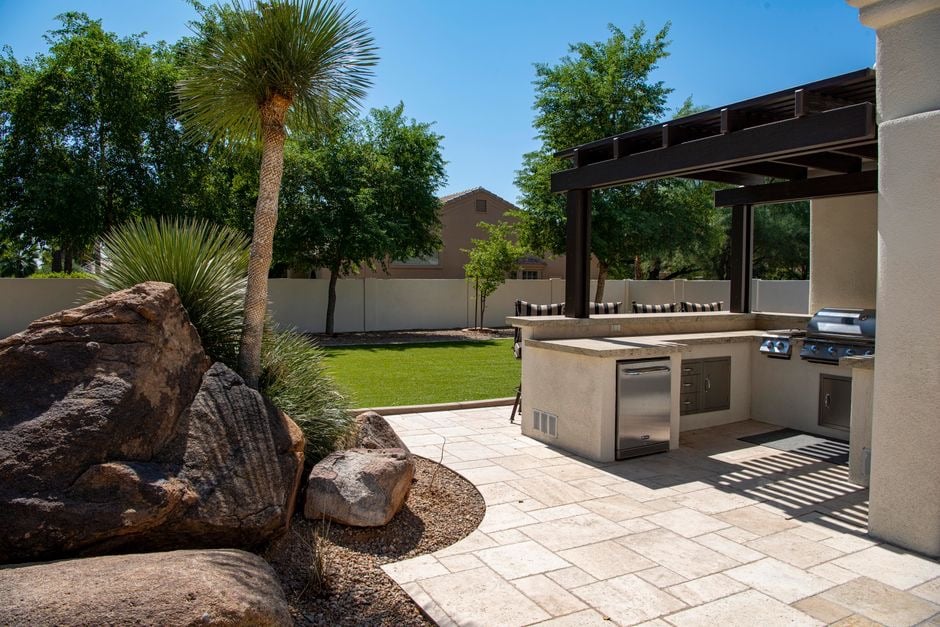
- Patios built for dining, lounging, or entertaining
- Driveways that need more visual structure
- Garden paths that connect different zones in the yard
- Fire pit areas with a clean, stable surface
- Pool surrounds that feel polished and slip-resistant when properly selected
If your yard feels disconnected, pavers can help organize it. A walkway can guide traffic naturally. A patio can define a social area without needing walls or heavy features. Even a narrow side yard can become more practical with a durable path instead of patchy grass and mud after rain.
How to Match Pavers With Your Home Decor Style
Outdoor design feels best when it connects with the inside of your home. You don't need your patio to copy your living room, but the two spaces should feel like they belong to the same person.
If your interior style leans modern, pavers with clean lines and cooler tones usually make sense. If your home has a farmhouse or traditional look, textured finishes and warmer blended colors often feel more natural.
You can also coordinate with existing features:
- Match undertones with your siding or brick
- Echo dark window trim with charcoal borders
- Pick shapes that suit your architecture
- Tie in planters, furniture, and lighting for a cohesive look
This is where many outdoor projects either sing or shrug. Random choices create visual noise. A consistent palette creates calm. You want your yard to feel designed, not assembled during a clearance sale frenzy.
Maintenance Is Simple, But It Still Matters
Concrete pavers are relatively low maintenance, not zero maintenance. That distinction saves a lot of disappointment later.
Regular sweeping helps prevent buildup from leaves, dirt, and debris. Occasional rinsing keeps the surface looking fresh. If weeds appear between joints, deal with them early before they turn into tiny, annoying tenants.
Sealing may be worth considering depending on the finish, climate, and amount of use. A sealer can help resist stains and preserve color, especially in entertaining areas where grills, drinks, and everyday messes tend to show up.
You should also keep an eye on joint sand. Over time, weather and traffic can wear it down. Replenishing it when needed helps maintain stability. None of this is especially difficult, but a little consistency keeps your investment looking intentional instead of tired.
Budgeting for Pavers Without Guesswork
Paver pricing varies based on material quality, site conditions, project size, layout complexity, and labor. A simple rectangular patio will usually cost less than a curved design with borders, steps, and drainage corrections.
Before you commit, ask for itemized estimates. You want to know what covers excavation, base prep, materials, installation, edging, cleanup, and sealing if it's included. Vague quotes can hide expensive surprises.
It also helps to think beyond the upfront number. Lower-cost work can become expensive fast if the surface shifts, cracks, or drains poorly. Paying for skilled installation often protects your budget better than bargain hunting.
If you need to phase the project, start with the area that improves daily use the most. A backyard patio or main walkway usually gives you more immediate value than a decorative secondary path. Priorities matter when the wish list is longer than the wallet.
Making the Final Choice With Confidence
Concrete pavers make sense when you want an outdoor surface that looks sharp, performs well, and gives you design options beyond a plain slab. They can support curb appeal, make your yard more functional, and create a stronger link between your home's interior style and its exterior spaces.
The smartest approach is to treat the project as both design and construction. Choose colors and patterns you'll still like in five years. Pay close attention to drainage and base prep. Ask practical questions, not just aesthetic ones.
A well-planned paver installation doesn't just improve your yard for photos. It changes how you use the space on regular Tuesday afternoons, weekend dinners, and rainy mornings when solid footing suddenly feels heroic. Good design should look good, yes, but it should also earn its spot.