How to keep kids playing outside when the weather turns cold
When the first cold week of fall arrives, most families move indoors and stay there until spring. Kids can still play outside for up to an hour on a 5-degree afternoon, and plenty of Canadian families keep it up all winter in the snow. Warm clothes help. So does having something to do once they're out there.
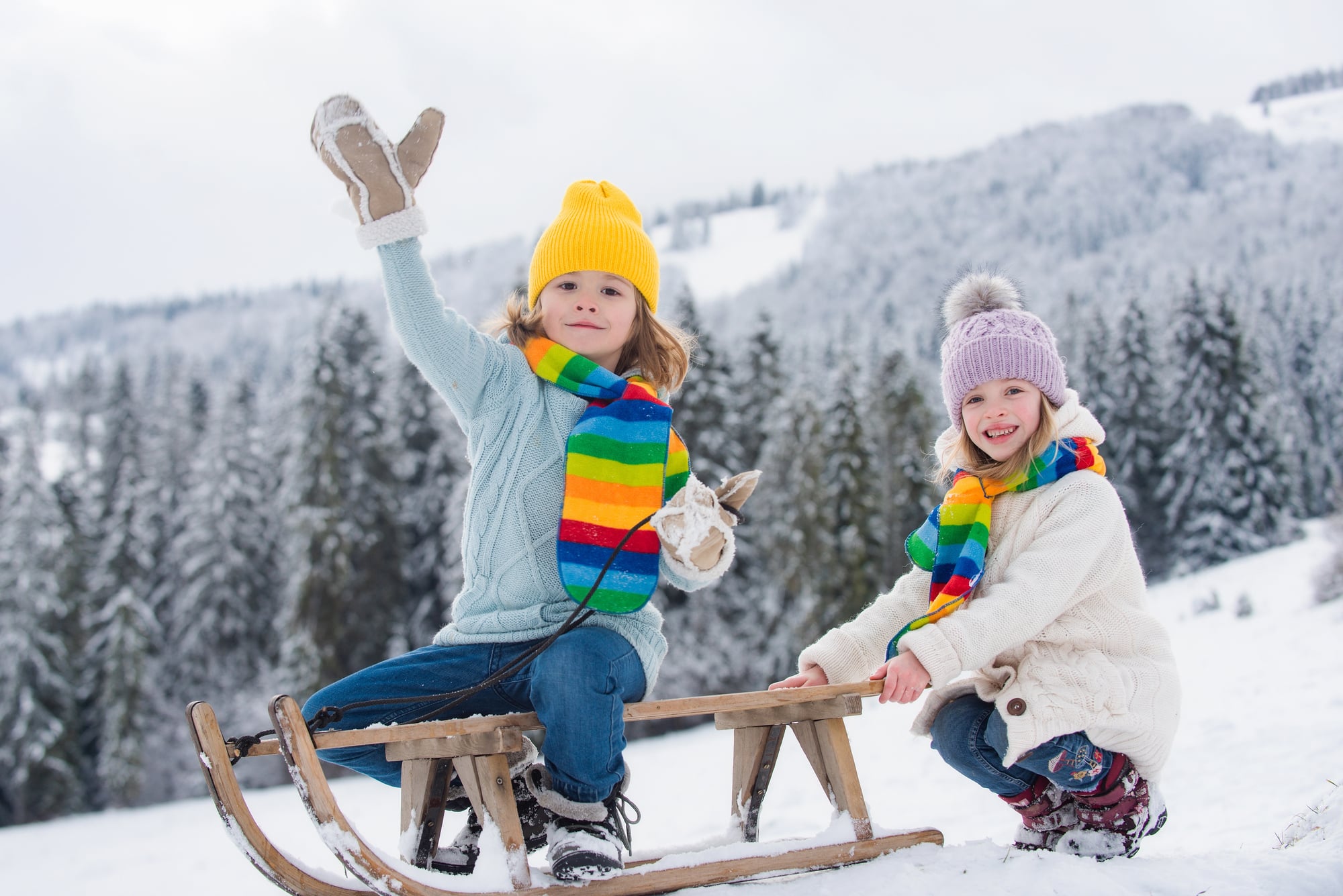
The ideas below work for a damp November in Vancouver and for a January deep freeze on the Prairies.
Backyard games that still work in cold weather
Pick games that keep kids moving. A child running around makes plenty of heat. One sitting still on a cold swing gets chilly in minutes.
Tag games
Freeze tag and sharks and minnows both work fine in a puffy coat. Once snow covers the yard, try fox and geese. Stomp a big wheel into the snow with spokes running to a safe zone in the middle. Everyone has to stay on the paths, the chaser included, and anyone who steps off is caught. Kids who are tired of regular tag will play this for half an hour. Here are some other classic recess games to try.
Leaf pile obstacle course
Rake leaves into a few piles in a row, kicking out any sticks as you go, and let the kids run and jump through them. Lay a log at the end for balancing. They'll ask to go again.
Nature scavenger hunt
Hand each kid a paper bag and a short list, say a pinecone and a red leaf. In winter, swap in animal tracks or an icicle. Older kids can snap photos instead of collecting.
Snow painting and frozen bubbles
Fill spray bottles with water and a few drops of food coloring and let them paint the snow. On a morning colder than about minus 10, blow soap bubbles. They frost over before they pop. Before the snow comes, chalk murals on the driveway work on any dry, sunny day.
Trampoline and swing time
Jumping warms kids up faster than anything else in the yard. Sweep leaves or snow off the mat first. If it's still wet or icy, leave it for another day. Kids cool down quickly on swings, so save those for a break between running games.
Dress kids in layers so they stay out longer
Kids usually come in because their hands or feet are cold, or because they're wet. Fix those two problems and outside time stretches out.
The Canadian Pediatric Society recommends dressing kids in several thin layers for cold-weather play, so you can take one off when they warm up. Next to the skin, use wool or a synthetic base layer. Cotton holds sweat, and damp cotton stays cold.
A fleece or light puffy over that does most of the warming. On a dry 8-degree October afternoon, a fleece and a toque are usually enough. Snow or wet grass calls for a waterproof jacket and snow pants on top.
Mittens keep little hands warmer than gloves because the fingers share heat. Keep a spare pair of mittens and socks by the back door so one wet pair doesn't end the afternoon.
Scarves and drawstring hoodies can catch on slides and swing hardware. Swap the scarf for a neck gaiter and pull the drawstrings out.
On bitterly cold or windy days, keep sessions short and check fingers and ears every 15 minutes or so.
A short daily outdoor routine after school
Once the clocks fall back in early November, the sun sets before 5 p.m. in much of Canada, and closer to 4:30 p.m. in Edmonton by December. The hour right after school is the best light you've got.
Head out for 20 to 30 minutes straight after a snack, and leave homework until they're back in. A set time ends the daily debate about whether to go out. Keep the snowsuits, toques and mittens in one spot by the door and getting dressed takes two minutes.
Give each kid a small job to start, like filling the bird feeder or reading the outdoor thermometer. Once they're out, they tend to stay. You can sit on the porch with a warm mug and have hot cocoa ready for when they come in. Rainy days count too. A walk around the block in rain boots is enough.
Get the yard ready for cold-weather play
A bin by the back door makes it easy to grab something and go. Fill it with balls and sidewalk chalk. Once snow arrives, swap the chalk for a sled and a snow shovel sized for small hands. Solar path lights help when late afternoon gets dim. Put hoses and water toys away before the first hard freeze.
Before the first frost, walk the play set with your kids and look for cracked swing seats or worn chains. Tighten anything that wobbles. Wet leaves on ladders and platforms are slippery, so clear those off too.
Your swing set's manual should say whether the canopy or seats need to come down for winter. Vuly has a post on swing set safety in winter if you want a longer checklist. For more games to rotate through the colder months, the outdoor play tips from Vuly include a list of 20 outdoor games and ideas for backyard obstacle courses.
If your kids would still rather stay in
Go out with them for the first week. Most kids follow a parent who is already kicking a ball around the yard much faster than they follow a reminder to get their coat on. Once the after-school slot feels normal, you can move back to the porch. But, you will feel warmer if you get out and enjoy the day with your kids!