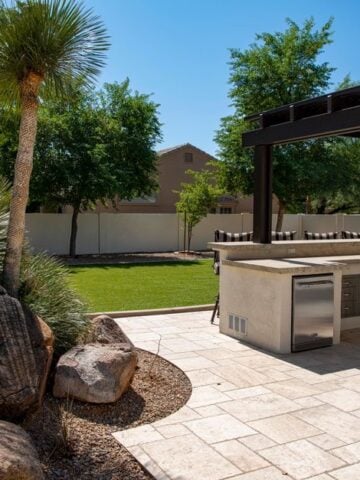
How to Keep Your Outdoor Spaces Stylish, Comfortable, and Mosquito-Free
Your outdoor space can feel like an extra room when it's set up well. A patio, porch, or backyard corner has real potential for relaxing, hosting friends, or just escaping your phone for a while. Still, design choices alone won't save the vibe if mosquitoes turn every evening into a slap-fest. If you want a space that looks good and works well, you need comfort, function, and pest control playing on the same team.
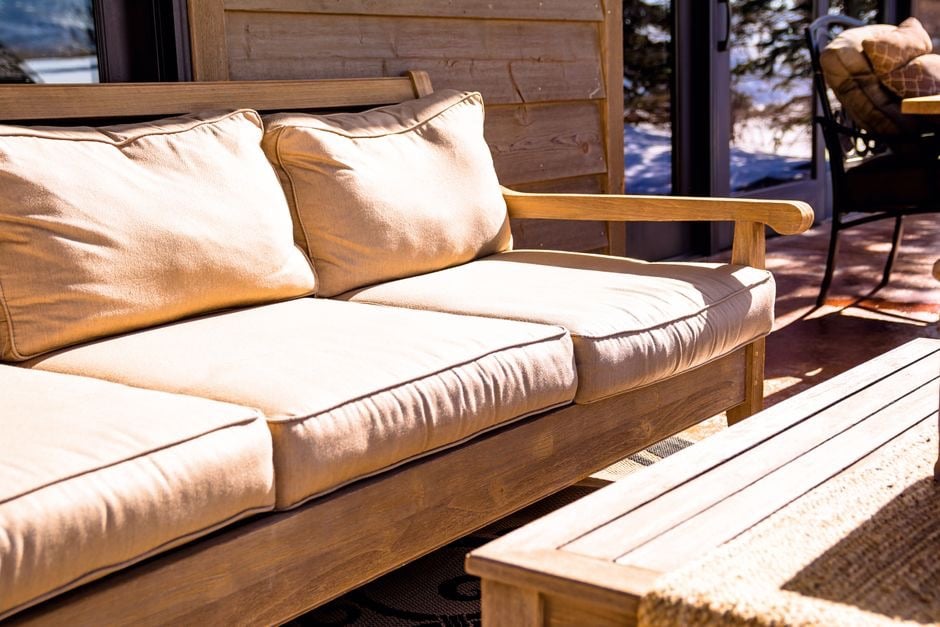
Design Around the Mosquito Problem, Not Just the Furniture
Mosquitoes don't care how nice your throw pillows are. They care about shade, moisture, standing water, and places to hide. If your yard gives them all four, they're basically paying rent.
Start with a walk around your space. Check gutters, saucers under pots, birdbaths, toys, watering cans, and any low spots where water collects. Even small amounts of standing water can become breeding zones.
Dense overgrowth can also make mosquito activity worse. Trim shrubs, thin out heavy ground cover, and keep grass at a manageable height. Better airflow makes the space more pleasant for you and less cozy for pests.
If you want a more thoughtful and chemical-conscious option, many homeowners look into all-natural mosquito control as part of a broader outdoor maintenance plan. That approach can fit well when you care about family use, pets, and a yard that feels livable rather than over-treated.
Start With How You Actually Use the Space
Before you buy cushions, lanterns, or another planter you swear you have room for, look at how you use your outdoor area. Do you eat outside most nights? Do you read there on weekends? Do you host people after sunset? Your answers should shape the layout.
A small balcony may need folding furniture and vertical planters. A backyard patio might work better with zones for dining, lounging, and kids' play. When you plan around your habits, the space feels easier to maintain and more enjoyable to use.
You should also pay attention to timing. If you spend most of your outdoor time in the evening, lighting and bug control matter more than midday shade. Pretty spaces are nice. Pretty spaces you can actually sit in without regret are better.
Choose Decor That Handles Real Weather
Outdoor decor has one job indoors never has to deal with: surviving the elements without falling apart. That means your style choices need a practical filter.
Look for materials like powder-coated metal, treated wood, polypropylene rugs, and performance fabrics. These hold up better against moisture, sun, and temperature swings. If you live in a humid area, mildew resistance deserves your full attention. No one wants decorative pillows that smell like a forgotten gym bag.
A few smart staples usually go further than lots of fragile accessories:
- Weather-resistant seating with washable covers
- Storage benches for cushions and tools
- Outdoor rugs that dry quickly
- Planters with proper drainage
- Solar or low-voltage lighting
When each piece earns its spot, your space feels intentional instead of crowded. That cleaner setup also makes it easier to sweep, hose down, and check for pest-friendly problem areas.
Make Comfort Part of the Aesthetic
A good-looking yard that feels hot, sticky, and chaotic won't get much use. Comfort should be visible in your design choices, not added as an afterthought.
Shade matters first. Umbrellas, pergolas, privacy curtains, and strategically placed tall plants can soften harsh sun and create a more defined atmosphere. Air movement matters too. Ceiling fans on covered porches or portable outdoor fans on patios can make a big difference, especially in humid climates.
Think through the sensory details:
- Soft lighting instead of harsh floodlights
- Seating with actual back support
- Side tables near every major chair
- Textures that feel inviting, not scratchy or heat-trapping
- Paths that stay clear and safe after dark
These choices improve how the space functions while also making it feel polished. Guests notice when they don't have to juggle a drink on their lap or swat at bugs every thirty seconds.
Pick Plants With a Purpose
Plants can transform an outdoor area, but random greenery often creates more maintenance and more hiding spots for bugs. You want a plan, not a jungle with decorative ambitions.
Use plants to frame seating areas, soften hard edges, and guide movement through the yard. Container gardens work especially well in smaller spaces because they're flexible and easier to monitor for drainage issues. Raised planters can also help define zones without making the area feel boxed in.
When choosing varieties, consider your local climate, sun exposure, and upkeep tolerance. Native plants are often a strong choice because they adapt well and support local ecosystems. You can also mix in herbs or fragrant plants near seating areas for added function and texture.
Just keep spacing in mind. Overpacked beds trap moisture and reduce airflow. A slightly edited look often feels more elevated anyway. Your yard doesn't need to audition for a botanical drama series.
Keep the Space Easy to Maintain Week to Week
The best outdoor setup is one you can keep looking good without turning Saturday into a full landscaping shift. Design decisions should reduce maintenance, not create a long list of chores.
Choose surfaces that clean up easily. Gravel, pavers, composite decking, and outdoor tile can all work well depending on your space and budget. If you add textiles, stick with removable covers and items that store quickly during storms or off-season months.
A simple routine keeps things from snowballing:
- Empty standing water every few days
- Wipe down furniture weekly
- Trim plants before they get overgrown
- Sweep debris from corners and under seating
- Check drains, gutters, and planters after rain
This kind of upkeep protects both the look and usability of the area. It also helps you catch mosquito issues before they become a full backyard takeover. Prevention tends to be cheaper, faster, and far less annoying.
Balance Personal Style With Everyday Function
It's easy to get pulled into trend-heavy outdoor design. One week it's all sculptural fire bowls and curved loungers. The next week your feed is acting like every yard needs a Mediterranean courtyard. Trends can be fun, but your space still needs to work for your life.
Pick a style direction that fits your home and your habits. If you love a cozy layered look, use outdoor textiles, warm lighting, and natural finishes. If you prefer something cleaner, go with streamlined furniture, restrained color, and fewer but stronger accents.
Then pressure-test every decision. Can you clean it easily? Will it survive your climate? Does it make sitting outside more enjoyable? If a piece only photographs well but fails in real life, it's décor cosplay.
The strongest outdoor spaces blend beauty with practical choices. When your yard supports comfort, maintenance, and pest control at the same time, you end up with a space that looks inviting and actually gets used. That's the sweet spot.