
The Interior Designer’s Checklist for Creating a Brighter, Airier Home
A bright and airy home has a unique ability to transform how a space feels. Rooms that are filled with natural light and open visual flow tend to feel larger, calmer, and more inviting.
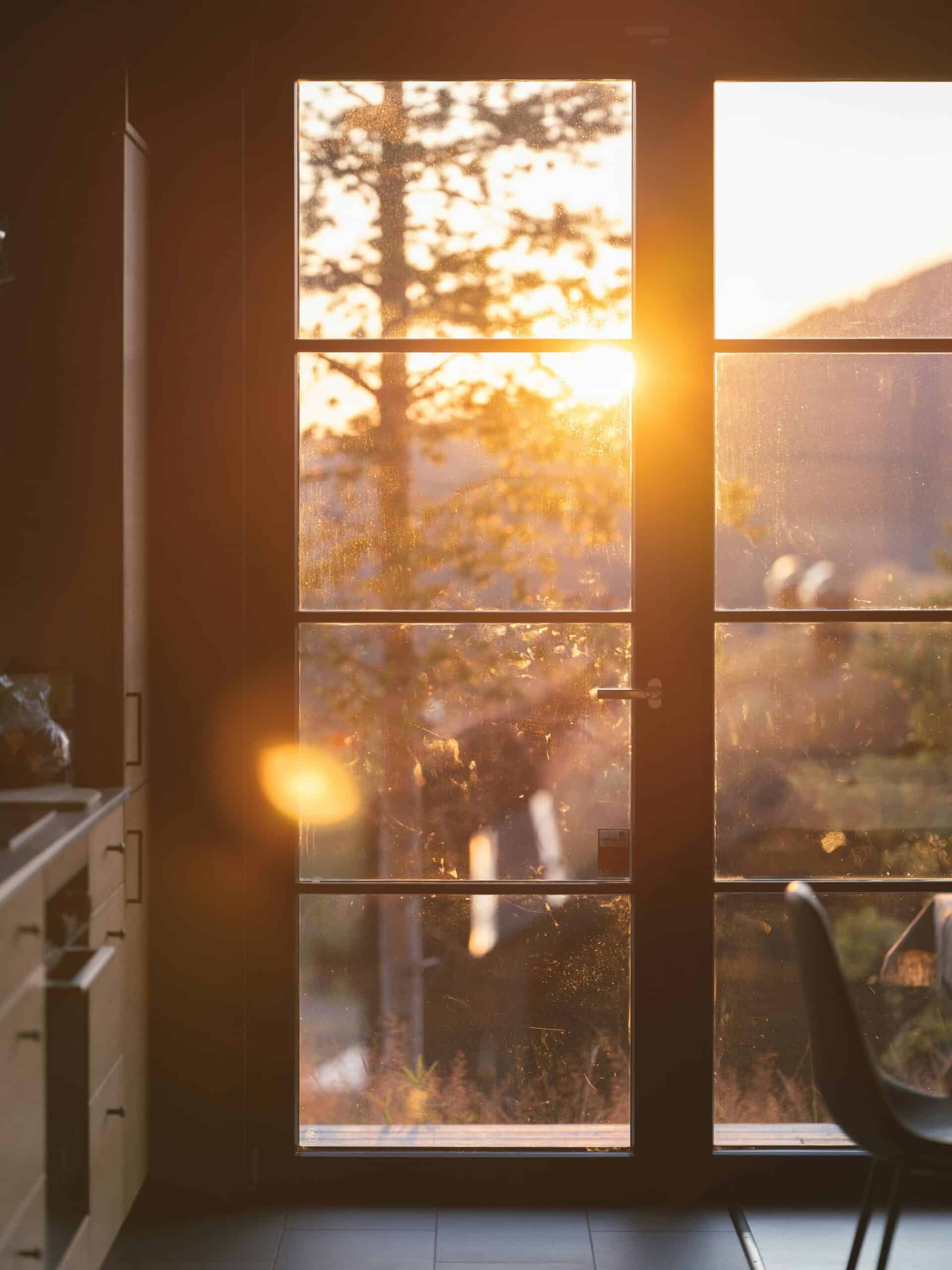
Interior designers often prioritize brightness and openness because these qualities not only enhance aesthetics but also improve comfort and well-being and make people feel that a space is a home rather than just a building.
Creating this kind of environment rarely depends on a single change. Instead, designers follow a series of strategic design decisions that work together to maximise light, reduce visual clutter, and create a sense of openness.
Whether renovating a property or simply refreshing your interiors, this checklist highlights the key principles designers use to achieve brighter, more spacious living environments.
Prioritize Natural Light
Natural light is one of the most important elements in any bright interior. Designers always begin by identifying how sunlight enters the home and how it moves throughout the day. Rooms that face south or west typically receive the most sunlight, making them ideal for living spaces where brightness is most appreciated.
To maximize natural light, it helps to avoid heavy curtains, bulky window treatments, or furniture that blocks windows. Instead, light-filtering blinds or sheer fabrics allow sunlight to enter while still maintaining privacy. Expanding window openings or incorporating larger glazing features can also dramatically increase the amount of daylight entering a room.
Many homeowners choose architectural solutions from providers such as nowaluminium.co.uk when looking to introduce larger glass doors or modern window systems that enhance natural light while maintaining a sleek, contemporary aesthetic.
Choose Light-Reflective Colors
Color plays a powerful role in how light behaves within a room. Interior designers frequently use light and neutral tones to help bounce natural light around the space. Whites, soft greys, pale creams, and gentle pastels can make rooms feel brighter while creating a calm and elegant atmosphere.
This does not mean a home must feel colorless. Designers often layer neutral walls with subtle textures, natural materials, and carefully chosen accent colors to maintain visual interest while preserving the sense of openness.
Paint finishes also matter. Satin or eggshell finishes can reflect more light than matte surfaces, helping enhance brightness without creating excessive glare.
Reduce Visual Clutter
A cluttered room often feels smaller and darker than it actually is. One of the simplest ways to make a space feel airy is by reducing unnecessary visual distractions and improving organization.
Interior designers achieve this by choosing fewer, higher-quality pieces of furniture and ensuring that each item has a clear purpose. Built-in storage solutions help keep everyday items organized and out of sight, while open shelving should be styled thoughtfully rather than overcrowded.
Minimalist styling does not mean removing personality from the home. Instead, it means selecting decorative elements with intention so the room feels balanced rather than busy.
Select Furniture That Enhances Openness
Furniture size and placement have a major impact on how airy a room feels. Oversized furniture can make spaces feel cramped, especially in smaller homes or apartments.
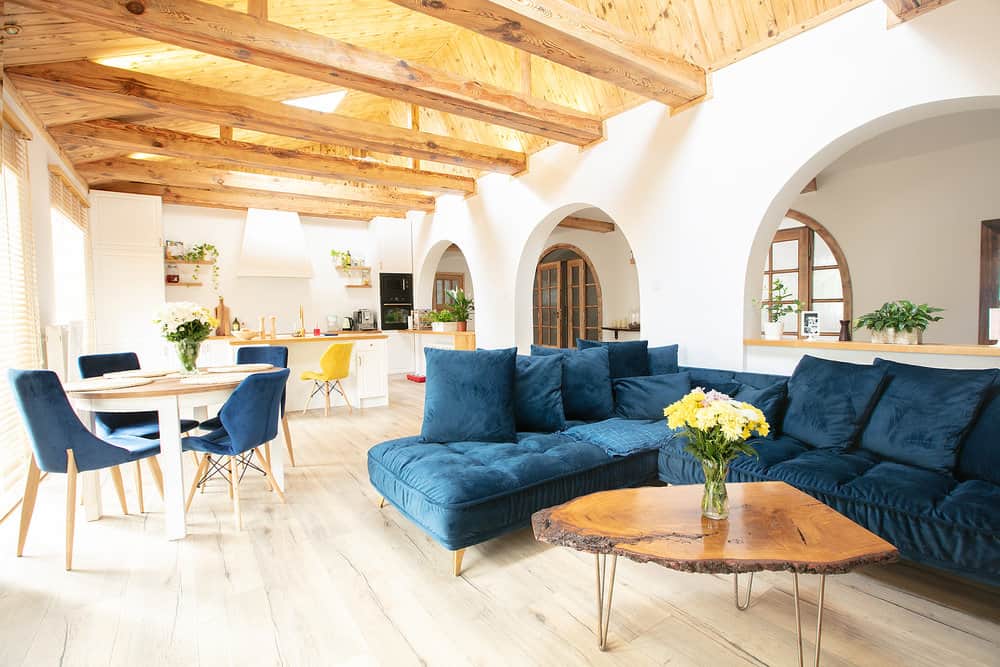
Interior designers often choose pieces with slimmer profiles, raised legs, and lighter materials to maintain visual openness. Sofas and chairs with visible floor space underneath them allow light to travel more freely through the room.
It is also helpful to avoid pushing all furniture against the walls. Carefully arranging seating to create natural conversation areas can make a room feel more thoughtfully designed and spacious.
Embrace Open Sightlines
Clear sightlines are a hallmark of airy interior design. When you can see across a room without visual interruptions, the space feels more expansive and comfortable.
Designers often achieve this by minimizing unnecessary partitions or choosing furniture that does not block views across the room. Open-plan layouts, glass doors, and wider interior openings help maintain a visual connection between spaces.
These design choices allow light to travel further throughout the home and create a greater sense of flow between different areas.
Layer Lighting Thoughtfully
While natural light is essential, artificial lighting plays an important role in maintaining brightness after sunset. Interior designers typically combine several types of lighting to achieve a balanced effect.
Ambient lighting provides overall illumination, task lighting supports specific activities like reading or cooking, and accent lighting highlights architectural features or decorative elements.
Layering these light sources prevents dark corners and ensures that the home remains warm and inviting throughout the evening.
Think About the Whole Home
Creating a bright and airy home works best when design decisions are made with the entire property in mind. Consistent colour palettes, complementary materials, and cohesive lighting choices help maintain a feeling of openness from room to room.
When these design principles are applied across the whole home, spaces feel connected and balanced rather than fragmented.
A brighter, airier home does not require a complete overhaul. With thoughtful adjustments to layout, materials, lighting, and furniture placement, homeowners can dramatically transform how their space looks and feels.
By following the same checklist many interior designers rely on, it becomes much easier to create a home that feels open, welcoming, and filled with light.