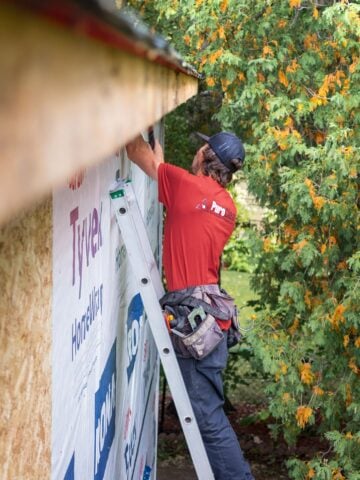
Before the Before-and-After: The Contractor Details Worth Checking First
A good before-and-after photo makes a remodel look almost effortless. One photo shows the tired room, the next shows fresh paint, better lighting, and a space that suddenly makes sense.

Real life is messier than that.
By the time a room is ready for its close-up, plenty of less exciting decisions have already happened. Someone compared estimates, asked awkward questions, saved receipts, checked details, and kept the project from becoming a pile of loose papers and half-remembered conversations.
That is the part worth planning for. Before the demo starts or the first box of tile arrives, give the project one home base. A simple remodel binder, whether it lives on your kitchen counter or in a folder on your laptop, can make the whole process feel less scattered.
Start a Remodel Binder Before You Call Contractors
A remodel binder does not need matching tabs, a label maker, or a color-coded system. Use whatever you will actually keep up with. A three-ring binder works. So does a folder in your email, a notes app, or a shared drive with photos and documents.
Start with the basics. Add room measurements, inspiration photos, product ideas, and a short list of what bothers you about the current space. Maybe the bathroom has nowhere to store towels. Maybe the kitchen turns into a traffic jam every morning. Maybe the laundry room works on paper, but somehow makes every chore feel harder.
Those details help you explain the project in real words. Instead of saying you want an updated room, you can tell a contractor what needs to work better for your household.
Once estimates start coming in, save them in the same place. Add contractor contact information, insurance notes, permit questions, payment schedules, and any changes discussed along the way. Home projects move quickly once they begin, and the small details are usually the first ones to disappear.
Check the Contractor Details Before You Fall for the Estimate
A low estimate can feel like a gift, especially when you're already picturing new floors, better lighting, or a bathroom that no longer makes your morning routine harder. Still, the number on the page is only one piece of the decision.
Ask whether the contractor is properly licensed for the work, carries insurance, gives written estimates, and explains who will handle permits. These questions do not need to make the conversation uncomfortable. A reliable contractor should expect them.
It also helps to ask how they stay current with requirements and changes in the industry. Education providers can help contractors with coursework or test preparation, but they do not issue contractor licenses. Official licensing and renewal details should be checked through the state licensing board.
Save what you learn. When you're comparing two or three estimates, it's easy to forget which contractor included cleanup, who mentioned permits, and who gave the clearest answer about timing.
Consider Where the Contractor Works
Contractor expectations can change depending on location. A contractor working in North Carolina may be dealing with different renewal steps, weather concerns, and common home issues than someone working in South Carolina, Virginia, Texas, California, or the Northeast.
For North Carolina projects, it helps to keep education and licensing in separate lanes. Courses and resources for North Carolina general contractor CE can support further development, while licenses and official requirements remain with the appropriate state board.
That distinction keeps the conversation honest. Homeowners can ask about continuing education without assuming that an education provider is responsible for issuing or renewing a license.
Ask the Questions You'll Wish You Had Asked Earlier
Some project questions feel obvious only after the work has started. Who will be in the house each day? How will schedule changes be shared? What happens if materials are delayed? Who is responsible for the cleanup?
Write those questions down before the first meeting. During each contractor conversation, add the answers to your binder.
Be clear about permits, change orders, payment timing, and what is included in the estimate. Ask what could increase the final cost. Fixtures, disposal, wall repairs, trim, and small finishing details can all affect the budget.
This is not about being difficult. It is about making sure everyone understands the same plan before your home becomes a work zone.
Save the Paperwork Future-You Will Want
Some remodel details feel forgettable until you need them six months later. Paint colors, flooring names, fixture brands, appliance model numbers, and warranty papers are much easier to save during the project than to hunt down afterward.
Add receipts, invoices, manuals, permit records, and product labels to your project file as they come in. If your contractor gives you care instructions for a countertop, flooring material, or appliance, save those notes with everything else.
Photos are worth keeping as well. Take pictures before work begins, during the messy middle, and after the room is finished. They can help with future repairs, warranty questions, resale conversations, or planning another project later.
A pretty room is wonderful. A pretty room with a useful record behind it is even better.
Give the Fun Choices a Place to Land
Once the practical details are under control, the creative side feels less chaotic. Paint colors, tile samples, lighting, hardware, and finishes are much more enjoyable when the budget, timeline, and contractor expectations are already written down.
Use the same binder for design decisions. Save product links, color names, measurements, fabric swatches, and inspiration photos. If you change your mind about a fixture or decide to upgrade a material, make a note of when the decision happened and how it affects the estimate.
A little structure does not take the joy out of a remodel. It gives all those fun choices a better chance of fitting together.
Keep the Binder After the Final Reveal
When the dust settles and the room finally feels like part of your home again, keep the binder with your other home records. Those receipts, paint colors, warranties, and contractor details can be useful long after the last tool leaves the house.
You may need a product number for a replacement part. You may want the exact paint color for a touch-up. You may start dreaming about another update and need a better sense of what things cost. When that happens, a realistic renovation budget can help connect the wish list with the numbers before another project begins.
The finished photos may get the attention, but the record you keep behind the scenes can make homeownership easier for years.
A Better Before Makes a Better After
A beautiful remodel is easier to enjoy when the details have been handled with care. The estimates, notes, receipts, questions, and contractor information may never show up in a photo, but they help hold the project together.
Before the first hammer swings, gather what you know, ask what you still need to know, and save the answers somewhere you can find them. A simple remodel binder can turn a scattered project into a clearer one.
The final reveal will always be the fun part. The peace of mind comes from knowing you were prepared before the transformation began.