How to Create a Kid-Friendly, Pest-Resistant Backyard Garden
Feet running through soil and bright hands pulling weeds like treasures is what every childhood should be. Every backyard holds that kind of magic when it's built to welcome both kids and wild things. That joy quickly fades fast when mosquitos bite, ants swarm the sandbox, or toxic plants grow near curious pets. True safety isn't a fence or a warning sign, it starts with how you build the space.
Gardens work best when every corner earns its purpose. Play zones should be clean and open and beds should grow plants that suit kids, pets, and pollinators alike. The right yard doesn't demand perfection or lots of labor, it supports discovery while keeping harm out of reach.
Start With a Play-First Garden Layout
Children move fast. They chase, dig, jump, and explore with no sense of boundaries. A sensible layout reduces hazards without limiting fun. Designate clear areas for active play, quiet digging, and light planting. Use borders or stepping stones to guide movement. Keep open space between zones to reduce collisions and soil compaction.
Avoid sharp edges and breakable decor. Select flexible materials like wood or rubber for paths, anchor raised beds so they won't tip, and keep fragile plants away from traffic paths.
Tall shrubs and fencing can block sightlines, so trim back corners where supervision becomes difficult. A clear layout prevents both mess and injury.
Families who live in areas with frequent pest problems benefit from early inspections. At Native Pest Management, you can uncover hidden entry points and problem zones. With that insight, you can plan a layout that supports both safe play and pest prevention. One decision shapes both outcomes.
Choose Kid- and Pet-Safe Plants That Naturally Reduce Pest Interest
Children touch everything and pets nibble what they shouldn't. Plant selection is crucial for building a safe home that encourages fun and play. Choose species known to be non-toxic. Avoid flowers or shrubs linked to allergic reactions or stomach upset. Use local extension lists or veterinary-safe guides to build your shortlist.
Start with herbs like rosemary, basil, and mint. These grow fast, tolerate frequent picking, and release scents that discourage some pests. Bright flowers also work well. Choose soft-petaled blooms without thorns or hidden irritants and avoid nightshade relatives, even if they look harmless.
Lavender, marigold, and lemongrass add color while helping repel unwanted insects. Raised beds can protect roots from foot traffic. Add garden signs to show kids which plants are safe to touch and create a space that encourages curiosity without risking harm.
Build Simple Physical Barriers That Keep Bugs Out and Kids Informed
Raised beds stop trampling and they also make it more difficult for crawling pests to reach roots. Line the base with fine mesh to prevent burrowing insects from sneaking in. Smooth wooden edges to give children a safe place to lean or dig without scraping their hands.
Use plant markers or color-coded signs to show which areas are off-limits. Bright visuals help children follow garden rules without constant reminders. Add string guides or stepping paths to direct movement between beds. This lowers the chance of accidents and keeps the soil undisturbed.
Floating row covers protect fragile plants from insects and curious hands. Choose breathable material that lets in light and water. Small adjustments like these teach children boundaries without limiting access. Every barrier should protect without turning the garden into a restricted zone.

Control Moisture and Soil Conditions to Limit Pests
Healthy soil supports strong roots. Strong roots grow plants that resist damage. Start with compost from secure bins that pests can't enter. Mix in organic matter to improve structure and drainage. Avoid food scraps or uncovered piles that attract rodents or flies.
Water in the morning. Early moisture soaks in before heat rises. This limits fungal growth and keeps leaves dry by nightfall. Skip overhead watering when possible. Use drip lines or watering cans that target the base. Wet foliage draws pests and diseases.
Poor drainage creates puddles where mosquitoes breed. Walk your yard and look for soggy spots. Fill dips with extra soil or adjust irrigation flow. Treat each corner of the yard like a living system.
Create a Kid-Friendly Garden Routine That Prevents Infestations
Pests thrive in messy, undisturbed corners. Children thrive in routine. You can combine both realities into one weekly garden habit.
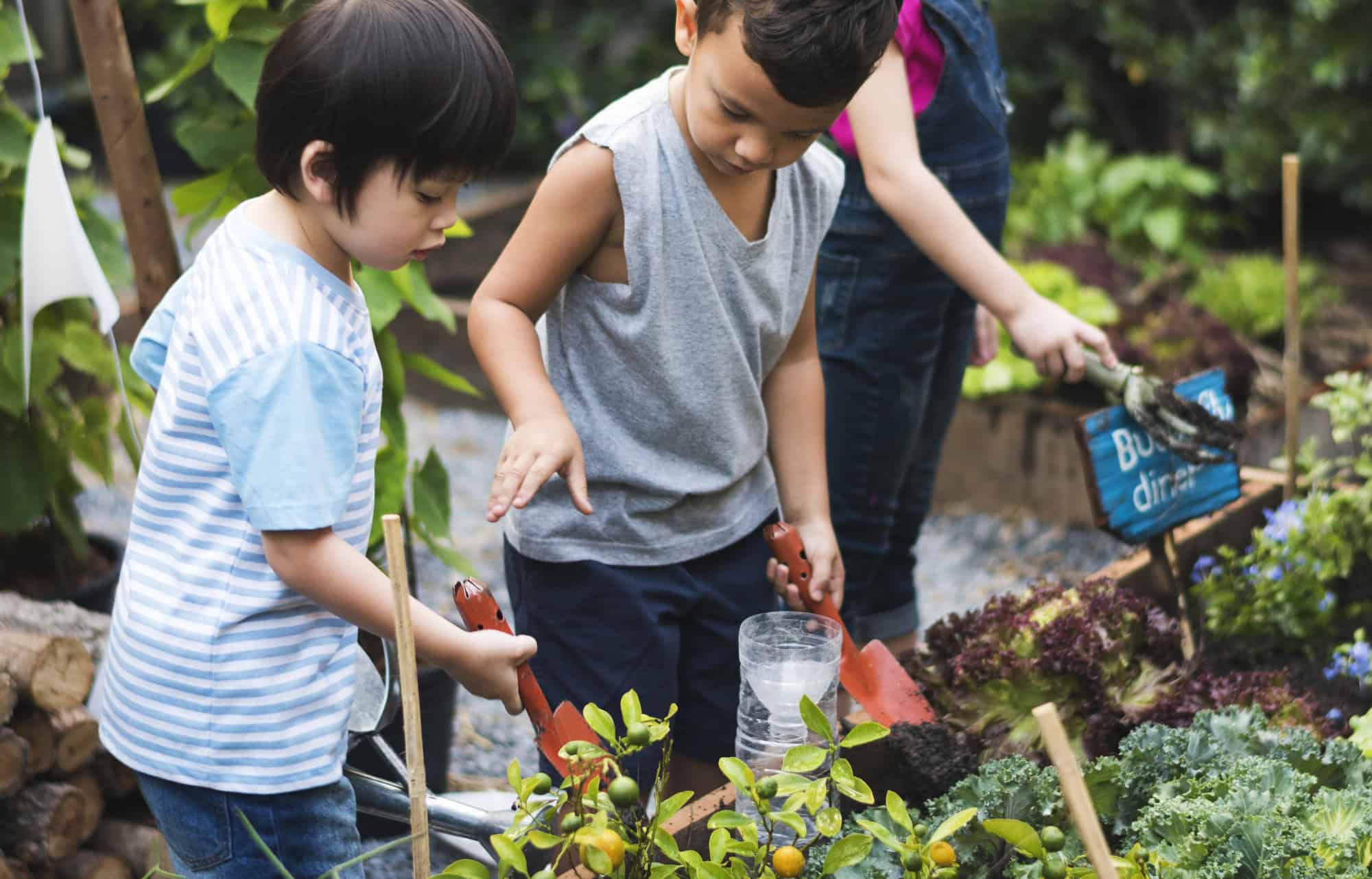
Assign simple tasks like brushing dirt from areas or checking for ants near roots. Give each child a focus. Some search for holes in leaves, others watch for webs or trails. Quick checks prevent small problems from spreading.
Make cleanup part of play. Gather fallen fruit, remove wilted leaves, and shake out watering cans. Leave no standing water. Keep tools in one spot and show children how to use them safely. Use gloves and reinforce handwashing after garden time.
Use short, clear instructions. Treat each session like a game with a goal. A predictable rhythm makes pests easier to track. It also teaches children to notice early changes before they become bigger problems. Discovery replaces damage when observation comes first.
Use Low-Toxic, Targeted Controls Before Reaching for Stronger Options
Some pests ignore clean beds and safe plants. When that happens, respond with control methods that match the problem without creating new risks. Start with hand removal, pruning, and row covers. You can also repel fruit flies and other insects with vinegar traps and soapy water. Apply each method with precision and keep children and pets away from treated areas.
Only use sprays when simpler methods fail. Pick formulas labeled as safe for children and animals once dry. Apply them when kids and pets are indoors. Store all products in sealed containers, out of reach. Read every label before use.
Look for control products that match the scale of your problem. You don't need broad sprays for one garden bed. A focused plan protects both the plants and the people. Prevention should always come first, but response matters too. Choose methods that fix the problem without adding new ones.
Know When Professional Help Makes Sense
Call a licensed provider when pests return or damage spreads. Don't wait for nests or burrows to grow near play areas. Professionals handle risks that basic methods miss, including stinging insects, termites, and deep infestations.
Ask clear questions before they begin and confirm re-entry times. Make sure products dry fast and won't harm kids or pets after use. Require a full explanation of what they'll apply and where.
Many families choose providers that include a pest-free guarantee in their service. This gives you long-term control without constant trial and error. When problems go beyond your tools, professionals help restore safety and balance.
Children grow when they explore freely and safely. Gardens improve when pests lose the upper hand, you don't need to pick one over the other. With the right layout, plant choices, and consistent routines, your backyard supports both discovery and protection. A kid-friendly, pest-resistant garden starts with clear decisions and builds through daily habits. Design a space where roots anchor deep, feet move freely, and nothing goes unnoticed.