Your Home’s Exterior Matters More Than You Think: Here’s Why
You probably spend plenty of time thinking about paint colors, furniture, and decor details inside your home. The exterior, though, does a lot of heavy lifting before anyone even steps through the door.
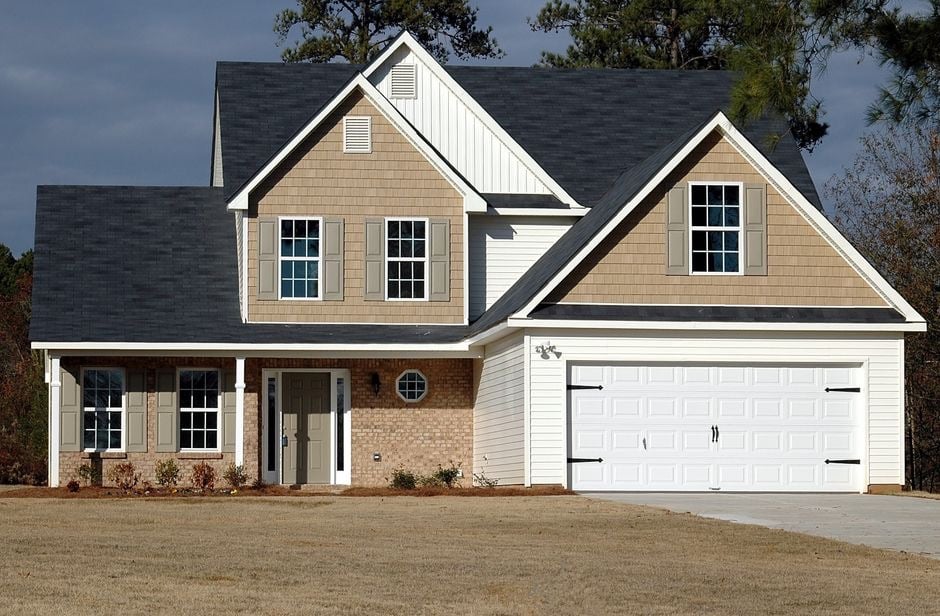
In places like Stark County, where homes deal with snow, rain, wind, and humid summers, siding is more than decoration. It affects curb appeal, insulation, maintenance needs, and even how confident you feel pulling into the driveway after a long day.
Good Siding Does More Than Look Nice
A lot of homeowners treat siding like a cosmetic feature, but it also functions as a protective barrier. It helps shield your home from moisture, wind, pests, and seasonal temperature swings.
When siding starts failing, the problems often move past appearance. Water can sneak behind damaged panels. Insulation can become less effective. Mold, rot, and higher energy bills may follow, which is an expensive domino effect no one enjoys.
That practical side matters even more in regions with unpredictable weather. If you live in northeast Ohio, working with a siding company in Stark County can help you evaluate materials that actually hold up locally, not just ones that look good in a showroom. Your siding needs to perform in real conditions, not only during ideal weather on a brochure.
Siding Shapes the First Impression of Your Home
Before anyone notices your entryway rug or kitchen backsplash, they see your siding. It sets the tone for your whole property and quietly tells people whether your home feels fresh, dated, polished, or neglected.
Clean lines, balanced color, and solid material can make a basic house look far more expensive than it is. On the flip side, faded panels, warping, or visible cracks can drag down the look of everything around them. Even nice landscaping struggles to compete with siding that has clearly seen better decades.
If you're trying to improve curb appeal, siding is one of the biggest visual upgrades available. It covers most of your home's visible surface area, so even a modest improvement has a huge effect. Think of it as the outfit your house wears every day. No pressure, but yes, people notice.
Material Choice Changes Maintenance, Cost, and Lifespan
Not all siding behaves the same, and picking the right material can save you years of frustration. Vinyl is popular because it's relatively affordable, low-maintenance, and available in many colors. Fiber cement offers strong durability and a more substantial look, though installation costs tend to be higher.
Engineered wood gives you a warm, natural appearance without quite as much upkeep as traditional wood. Real wood siding still has visual charm, but it usually asks for more regular maintenance, sealing, and repair work.
When comparing options, focus on more than the upfront price. You'll want to think about cleaning needs, weather resistance, color retention, repair difficulty, and how long the product is expected to last. A cheaper material that needs constant attention can quietly become the expensive one. Home improvement has a funny way of exposing fake bargains.
Color and Texture Have a Bigger Design Impact Than Most People Expect
Once you start looking at siding choices, you'll notice something quickly: color and texture can completely change a home's personality. The same house can look traditional, modern, farmhouse-inspired, or coastal depending on the siding profile and shade.
Lighter colors often make a home feel larger and cleaner, while darker tones can create contrast and a more dramatic look. Texture matters too. Smooth panels create a crisp finish, while wood-grain styles add softness and dimension.
Try to consider fixed features before making a decision. Your roof color, stonework, shutters, trim, and front door all need to work together. If your home has warm brick, a cool gray siding may clash. If the trim is bright white, muddy beige may fall flat. Good exterior design isn't about picking your favorite color in isolation. It's about getting the full cast to act as they belong in the same movie.
Installation Quality Can Make or Break the Results
You can choose excellent siding and still end up disappointed if the installation is sloppy. Gaps, uneven lines, poor flashing, and bad moisture management can shorten the life of the product and create costly issues behind the walls.
That's why workmanship matters just as much as materials. A strong installer will assess the existing exterior, look for damage underneath, explain ventilation concerns, and recommend solutions instead of rushing straight to the surface layer.
Ask practical questions before hiring anyone:
- How much experience do they have with your chosen material?
- Do they inspect for hidden water damage first?
- What warranties apply to labor and products?
- Can they show local project examples?
- How do they handle trim, soffits, and transitions?
The details around corners, windows, and rooflines often reveal whether a job was done with care. Clean installation doesn't just look better. It usually performs better for years.
Exterior Updates Can Support Interior Design Goals Too
Home decor and exterior upgrades aren't separate worlds. They influence each other more than people realize. If you love a warm, welcoming style indoors, a cold or mismatched exterior can make the whole property feel disconnected.
A well-updated exterior creates continuity. For example, if your interior style leans modern organic, siding in a soft neutral tone with black accents can reinforce that look before guests even enter. If your home is traditional inside, classic lap siding and timeless trim colors may create a smoother visual story.
There's also a personal side to it. Walking into a home that feels cohesive from the curb to the living room can change how you experience your space every day. It feels more intentional. More finished. More like you actually meant to do that, rather than accidentally collecting design decisions over a ten-year period.
Smart Planning Helps You Avoid Regret Later
Exterior projects are expensive enough that guessing your way through them is a bad strategy. A little planning upfront can protect your budget and keep you from making choices you'll second-guess every time you take out the trash.
Start with photos of your home in different lighting conditions. Collect a few examples of exteriors you genuinely like, then look for patterns in color, contrast, and style. Request samples and view them outside, not under store lighting that flatters everything like it's on a dating app.
It also helps to think long-term:
- How long do you plan to stay in the home?
- Do you want the lowest maintenance option?
- Are resale value and neighborhood fit important?
- Will the color still feel appealing in five years?
- Does the material suit your climate and budget?
The best siding choice usually balances appearance, durability, and practicality. If you can get all three working together, your home's exterior stops being an afterthought and starts becoming one of its strongest design features.