
Designing the Perfect Living Space
If you want to design a living space that you can really enjoy, there is a lot that you will probably want to keep in mind. Designing a living space is less about filling a room and more about shaping a feeling that holds together over time. The best rooms tend to have a quiet logic to them: they guide how you move, where you pause, and how you settle without ever making a fuss about it. When it works, you don't notice the design so much as you notice that you want to stay there.
The Social Space
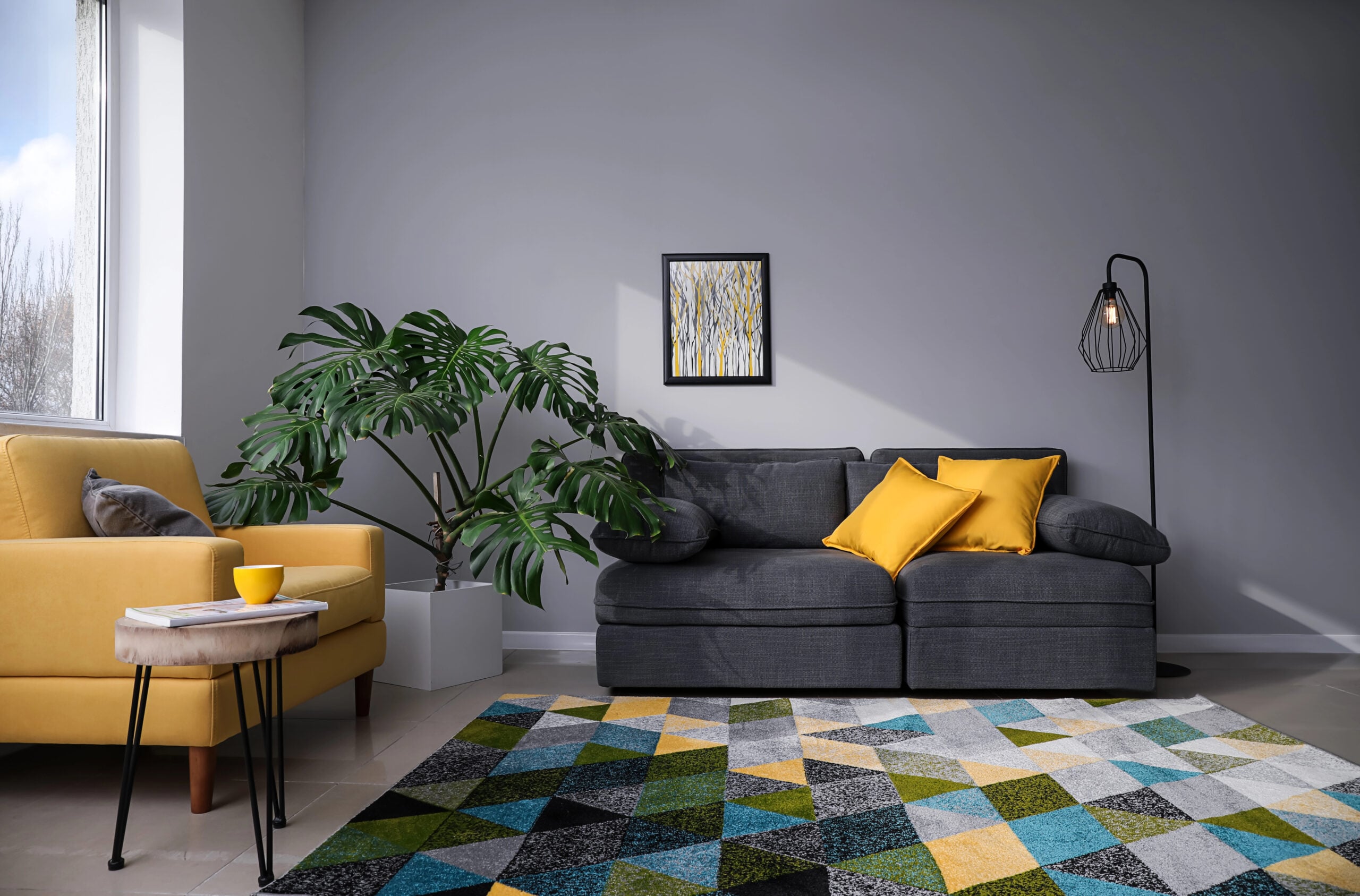
A good starting point is to think of the room as a kind of social ecosystem. Not every seat is equal, and not every object is neutral. The arrangement of furniture creates relationships: who faces whom, what the eye lands on first, where conversation naturally gathers.
A living space doesn't need symmetry, but it does need coherence. You want the room to feel like it has a center of gravity, even if it's subtle. That center is often defined by the seating arrangement. Sofas and chairs shouldn't be pushed purely against the walls unless you're dealing with a very small room. Pulling furniture inward, even slightly, creates intimacy and prevents the space from feeling like a corridor with chairs in it.
Light
Light is the other major architect in the room, even though it isn't a physical object you place. Natural light sets the rhythm of the space across the day, so it's worth observing how it moves before deciding where everything goes. Of course, lighting depends on where you place your houseplants, too.
In the evening, layered lighting becomes crucial. A single overhead light tends to flatten everything, whereas a combination of floor lamps, table lamps, and softer ambient sources allows the room to shift mood without changing its structure. Think of lighting as something that reveals the room rather than simply brightens it.
Furniture Choices
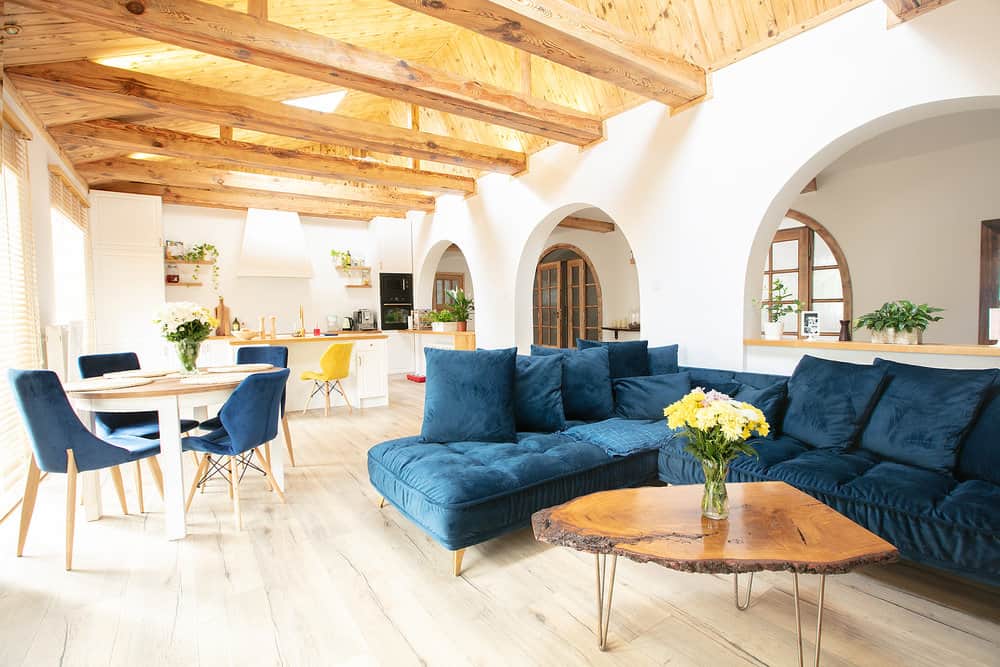
What furniture to choose is one of the most important structures of all. Within this structure, the coffee table becomes more important than it first appears. It is often the anchor point of the seating area, the object everything else quietly negotiates with. A good coffee table holds the center of the room without dominating it. If it's too large, it becomes an obstacle, but if too small, and the seating area feels disconnected, as though something is missing from the middle of the conversation.
Textures
Texture is another layer that gives a living space its depth. Without it, even a well-proportioned room can feel flat or sterile. Soft furnishings like cushions, throws, and upholstered surfaces absorb sound and soften the geometry of the space. Hard materials like wood, stone, or metal introduce contrast and structure. The interplay between soft and hard is what gives a room its tactile intelligence. It's not just visual, it's atmospheric.
Much planning and forethought goes into creating the perfect living space, but with a little time, you can soon have your perfect area to live in.