Six Simple Steps To Get More Seafood Into Your Diet
Seafood is one of the best types of food available for your health. It's packed with protein, vitamins, minerals, and omega-3 fatty acids. There are so many options available that you will never fall short of tasty recipes.
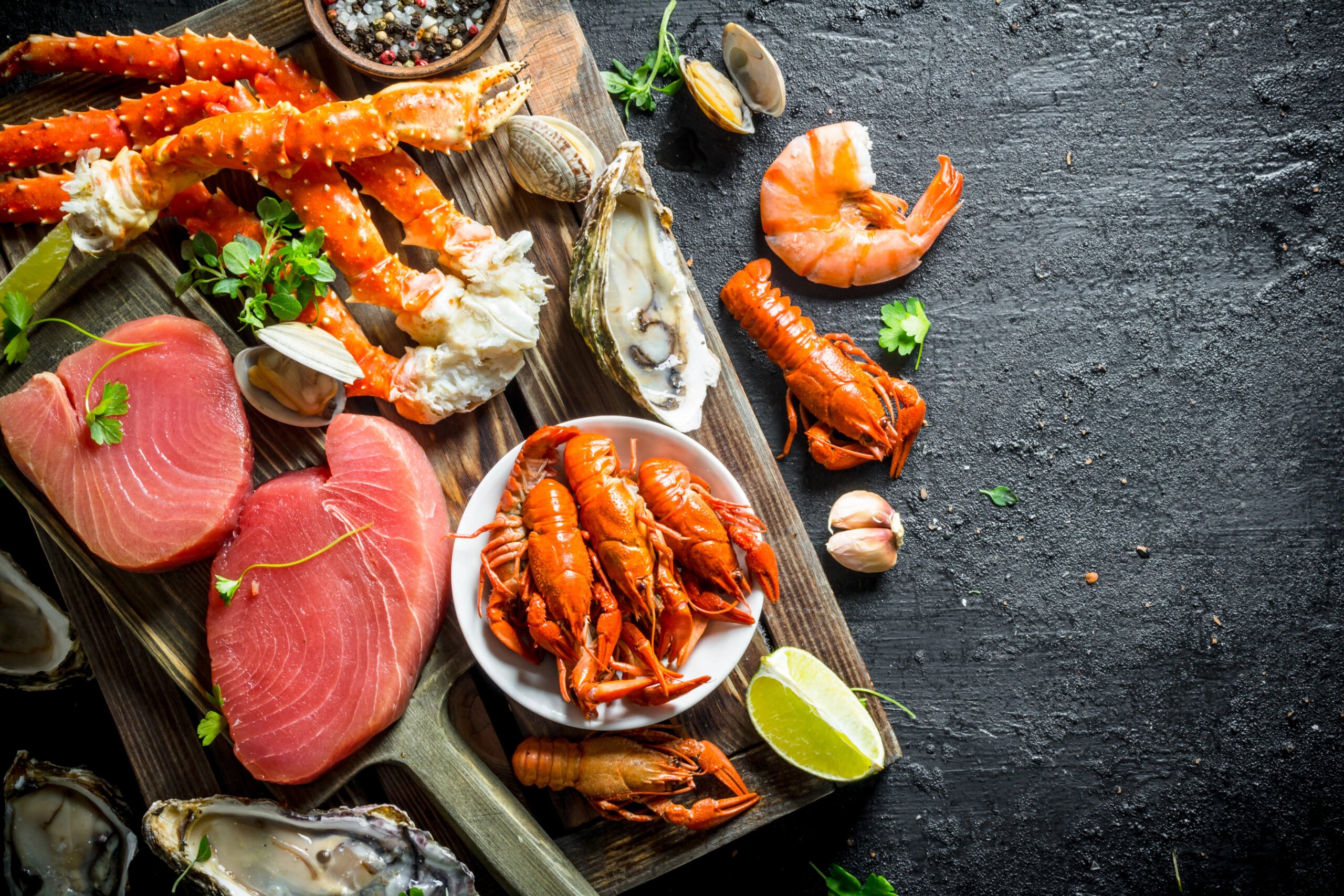
Still, millions of people don't consume the suggested two portions of fish per week. If you're hoping to get more seafood into your family's diet, here are six of the best options available.
#1. Offer A Seafood Twist To Classics
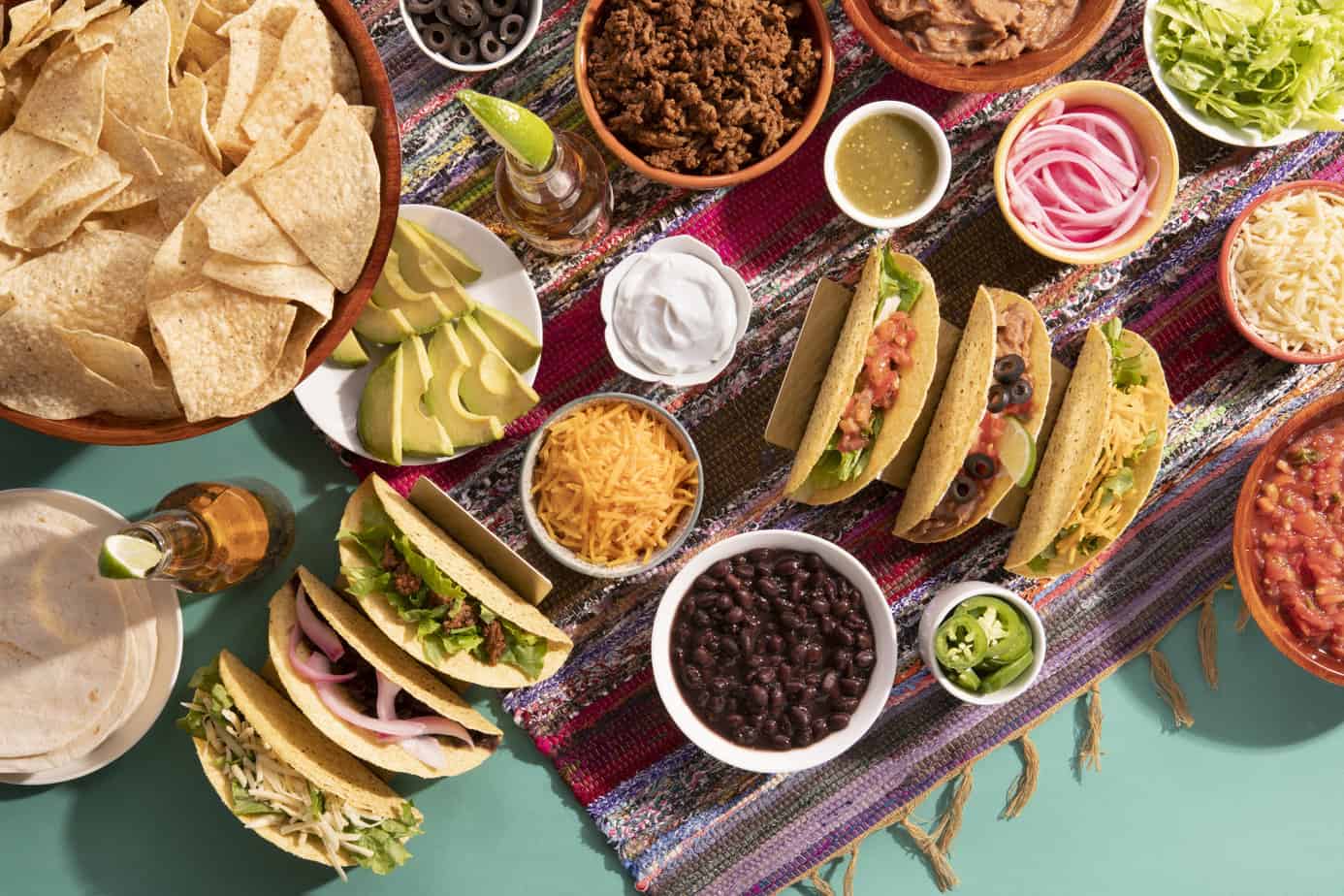
When thinking about family meals, there are a number of classic options that are ideal for sharing. The seafood variants often bring a fresh and exciting twist while also boosting the nutritional value. Seafood tacos are perhaps the best example of this.
With Alaskan king crab legs as the choice of filling, tacos take on a luxury feel. Lime, jalapeños, and red onion add to the burst of flavor while taco shells or flour tortillas can be used to hold it all together. The indulgent, fresh, and meaty seafood will produce love at first bite.
You can still enjoy tacos made with beef mince and other meats. However, integrating this seafood treat into your rota will increase the family's overall intake.
#2. Make British Style Fish And Chips
British foods often get mocked, however, we cannot deny that their version of 'fish and chips' is better than the 'fish and fries' that we typically produce. Recreating their style at home is another fun way to get more seafood into your diet.
The classic British fish and chips recipe can be completed using a range of white fish options. Cod, pollock, and haddock are just three of the popular choices. Meanwhile, you should trade the stereotypically thin French fries for thick cut chips as this creates authenticity.
A simple tartare sauce will elevate your fish and chips game further. The Brits traditionally eat it on a Friday night. Even if you do this once a month, it helps.
#3. Eat Tinned Fish Like Tuna
Perceived costs are a major stumbling block for many people who would love to increase their seafood intake. Incorporating tinned fish into your diet is a great way to fight back against this threat. Sardines that are prepared in sauces can be eaten straight from the can.
Alternatively, tuna chunks and flakes are very versatile. From pasta bakes to jacket potato fillings, they pack a protein punch. A little paprika will elevate the flavor with a smoky spice while the tinned fish pairs well with a host of salad vegetables including onions.
Tinned tuna is also rich in both vitamin D and B12. Aside from affordability, it delivers optimal convenience as you can even just add it to a quesadilla.
#4. Introduce Seafood To Breakfast
Most people associate seafood with their afternoon or evening meal. However, fresh salmon and eggs on toast is the perfect easy breakfast to make. You could easily eat this 2-3 times per week without getting bored to increase your seafood intake.
Smoked salmon slices can be purchased from your local grocery store. They are linked to improved brain health and eye health. There's also anti-inflammatory properties. It is also shown to boost heart health, which reduces the risk of cardiovascular disease.
Getting your seafood in before heading out to work can only have a positive influence.
#5. Seafood Sharing Platters
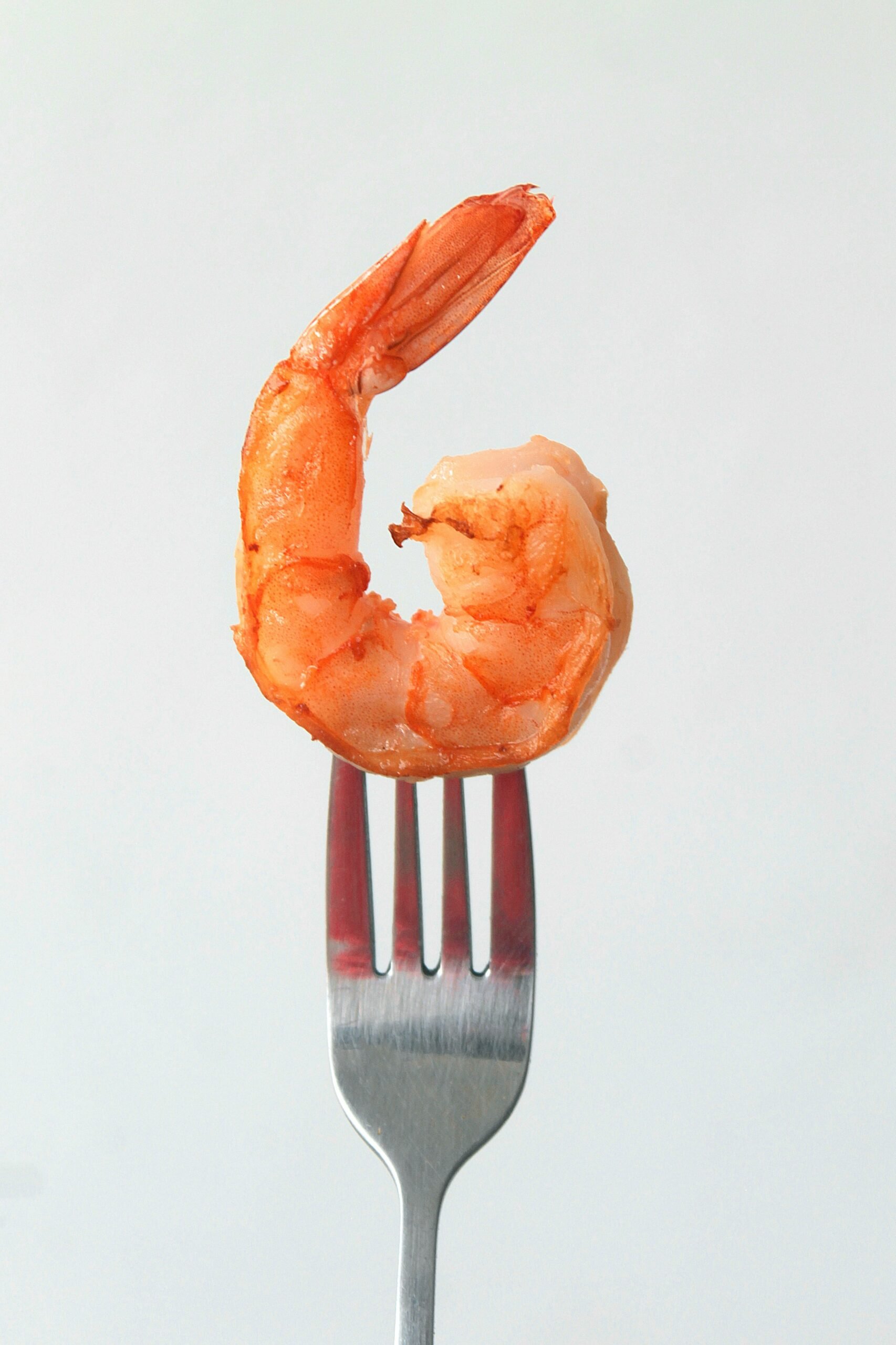
Even with the classics like king crab tacos, the appeal of sharing seafood with loved ones is clear. However, this can be extended to a host of other dishes. Seafood sharing platters are an ideal choice. Prawns, oysters, and garlic buttered shrimp are good examples.
As well as small seafood-based finger foods, you could get some seafood on your BBQ grill. Lobster and crab are popular options. Swordfish, salmon, and sea bass are popular choices too. Whether you choose fillets or the whole fish is entirely up to you.
Either way, the social element is sure to build an even better relationship with seafood. In turn, you should find that you naturally eat it more often.
#6. Keep Frozen Seafood Available
When seafood becomes a convenient option, you are far more likely to choose it. So, having frozen fish available in the freezer should be high on your list of priorities. Not least because freshly frozen seafood is typically just as nutritious. And delicious.
Portioned fish filets and pieces make it very easy to include seafood in your weekly meal plans. Meanwhile, frozen prawns can be added to stir frys and other dishes. Another option would be to batch cook meals that include fish. Keep the leftovers refrigerated for the days ahead.
Most frozen seafood will keep in the freezer for a few months. So, there's no reason not to have it available in the home.